Target: Hermes Agent / Nous Research
Agent Runtime / MLX / HMI
Updated 2026-06-29

AI Researcher and Systems Builder

Sheng-KaiHuang

I build agent systems from the runtime up: MLX model ports, local inference services, agent harnesses, memory loops, and interfaces people can observe, steer, and trust.

Full Stack Engineer

Best fit. The strongest overlap is Hermes Agent as a product: managed inference, agent UX, developer APIs, runtime recovery, and real workflow surfaces.

Forward Deployed Engineer

Strong fit. I have built phone-to-local-machine agent workflows, browser/desktop/CLI loops, OpenAI-compatible runtimes, and debug paths across product and model layers.

UI/UX Designer

Strong adjacent fit. My HMI work explores how agentic systems feel across visual, audio, desktop, and embodied interfaces, not just how they look.

Machine Learning Engineer

Selective fit. Strong in MLX porting, inference optimization, runtime profiling, local serving, and parity gates; less focused on large multi-node training infrastructure.

Research Scientist

Selective fit. I can contribute applied agent/runtime research, Parameter Golf probes, TTT/SLOT experiments, and embodied action loops, with clear claim boundaries.

Profile

Written for the Hermes Agent product surface and Nous Research mission.

Prefer solving the core problem first. My recent work forms a practical AGI scaffold: MLX model ports, local LLM runtime, diffusion decision loops, memory projections, visual attention probes, and agent harnesses that can act in real software.

The main value is the layer between model capability and human trust: response latency, interruptibility, route choice, state memory, agent UX, and the runtime details that make an agent feel present instead of fragile.

Evidence Snapshot

Numbers I would be comfortable defending in an interview.

0.3-0.4s Meadow Mind fixed decision pass, local 7B diffusion LLM
400/400 CartPole-v1 zero-training decision result
+251 LunarLander-v3 safe landing result
2.67s -> 0.89s Gemma 4 12B TTFT optimization benchmark
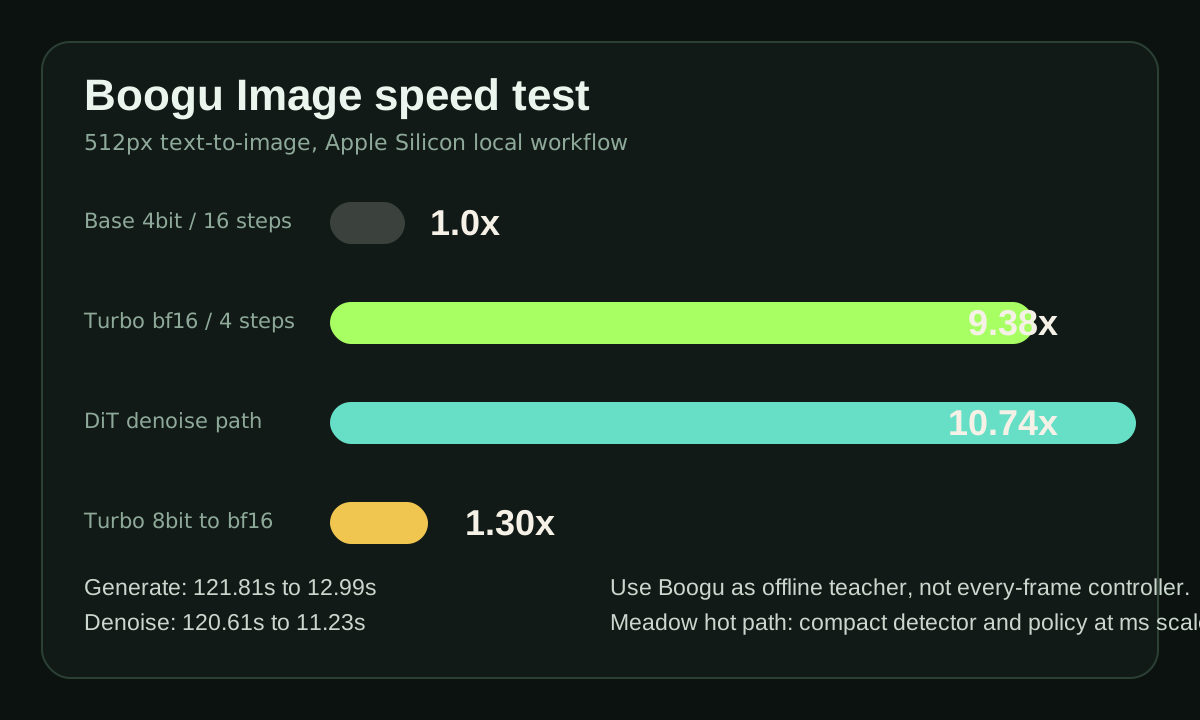
121.81s -> 12.99s Boogu Image generation path, Base 4bit to Turbo bf16
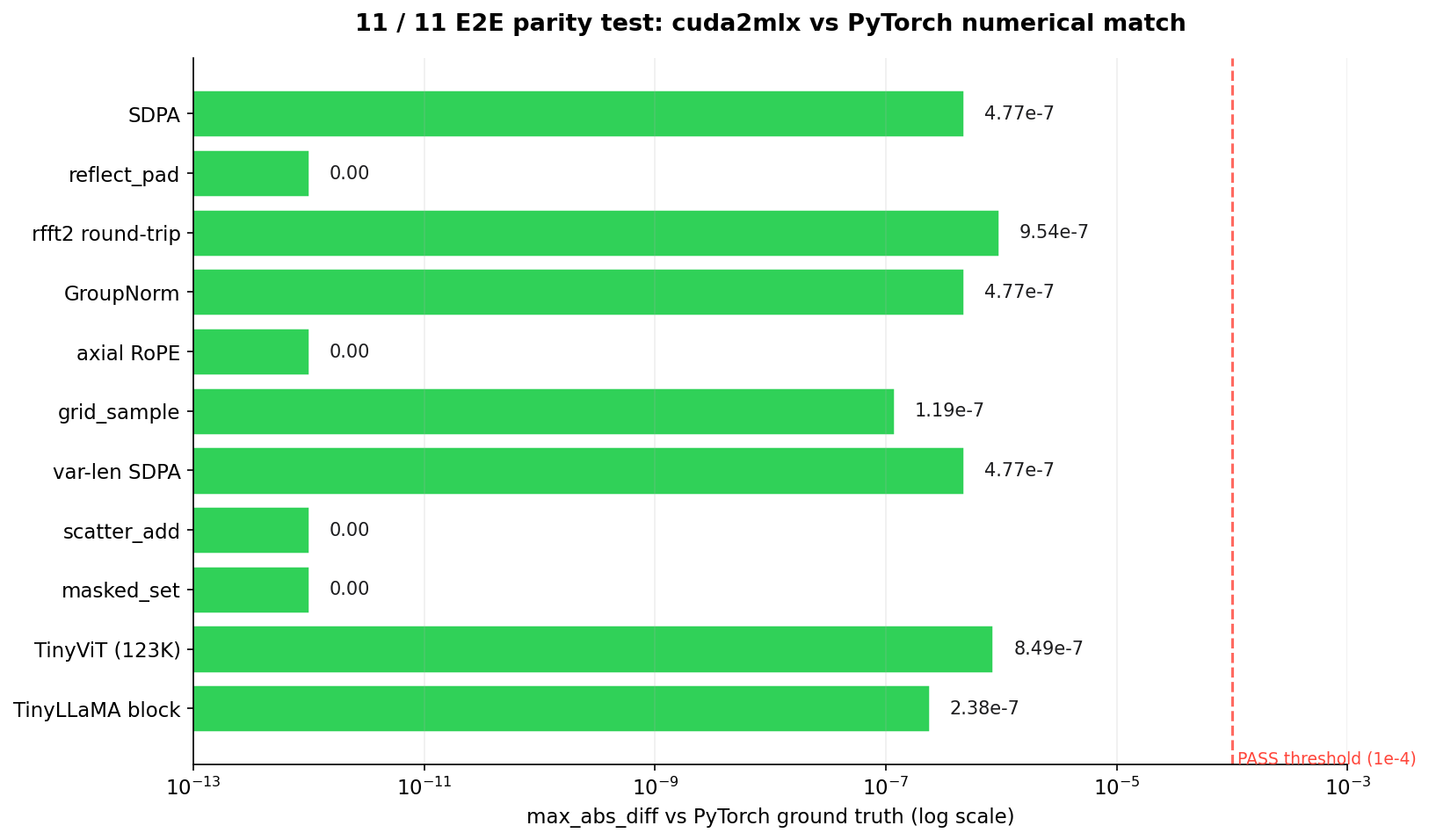
11/11 CUDA2MLX E2E parity with 37/37 smoke coverage
1.2146 / 1.1854 BPB OpenAI Parameter Golf best mature run: base / compliant no-SLOT eval
0.7688 BPB SLOT / TTT-style test-time adaptation probe on the Parameter Golf run

Experiment Reels

Short clips and stills mapped to the claims below, so the resume reads as evidence, not only prose.
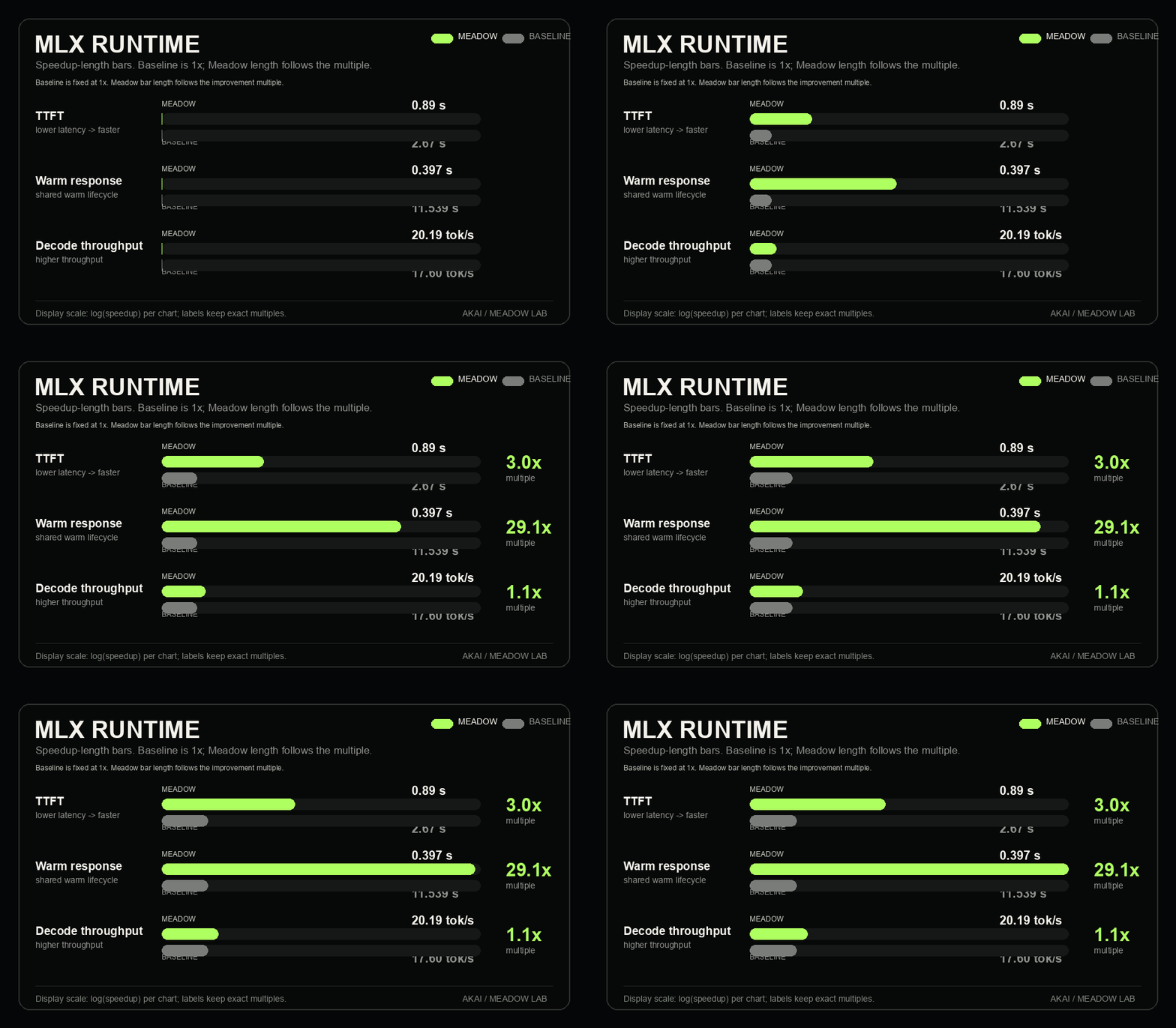
Animated MLX runtime benchmark bars showing before and after speedups
MLX Runtime Animated speedup-length bars: our result on top, baseline below, length follows the multiple.
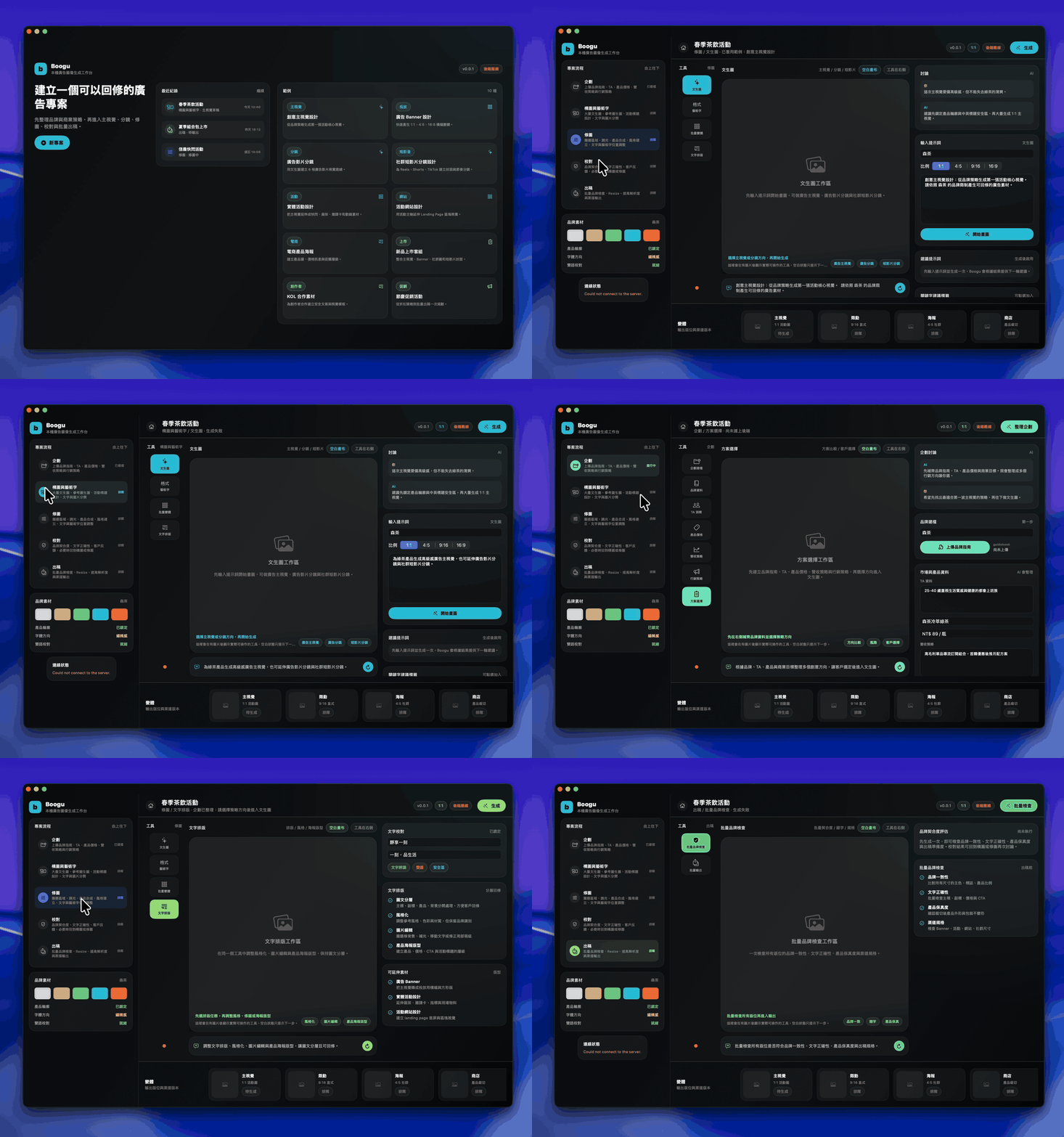
Recorded Boogu Image interface with generation speed test workflow
Generative Image Product UI and speedtest workflow for image generation, model route selection, and offline vision-teacher research.
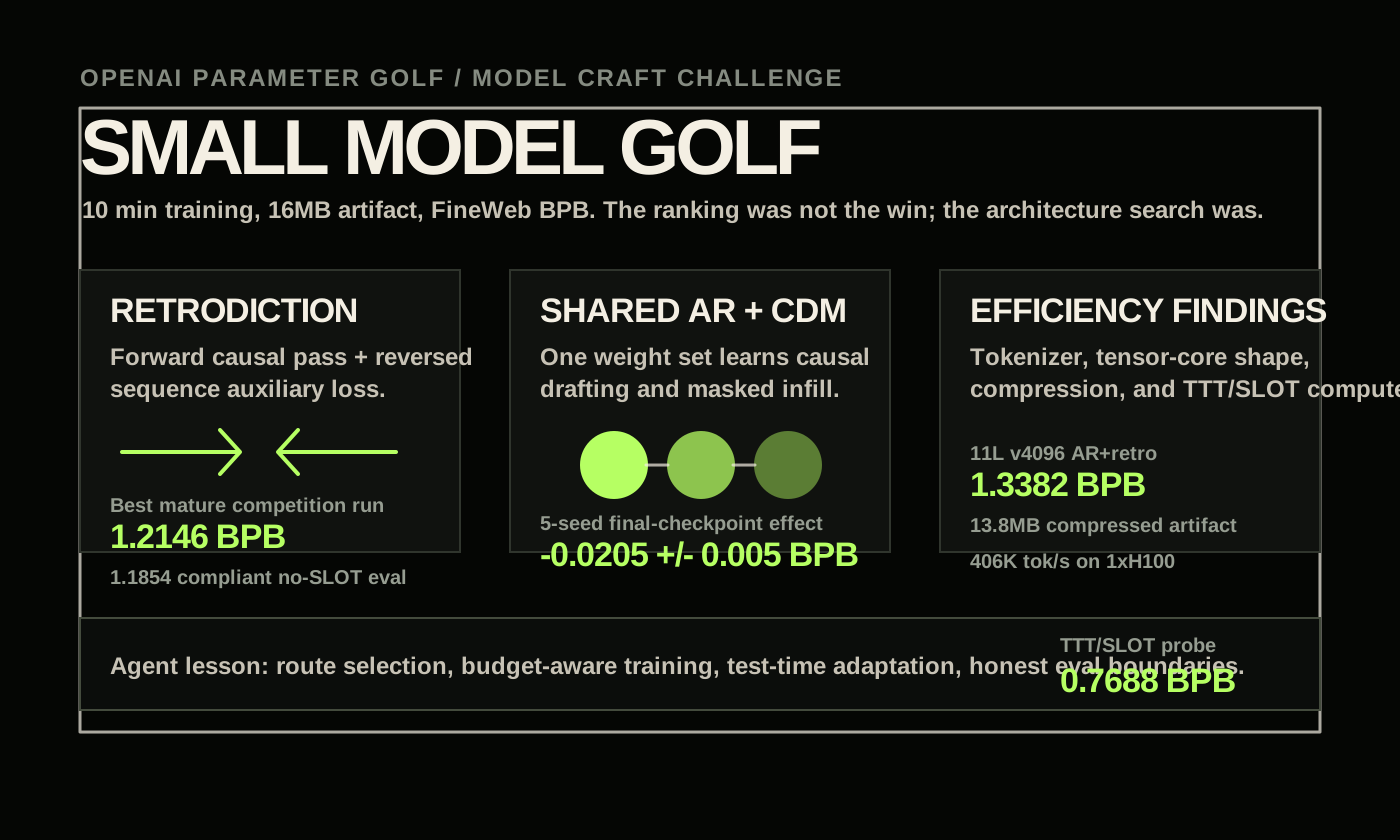
OpenAI Parameter Golf architecture diagram for retrodiction, shared AR plus CDM, and BPB results
Parameter Golf Competition research: retrodiction, shared AR + masked denoising, tokenizer efficiency, and honest BPB boundaries.
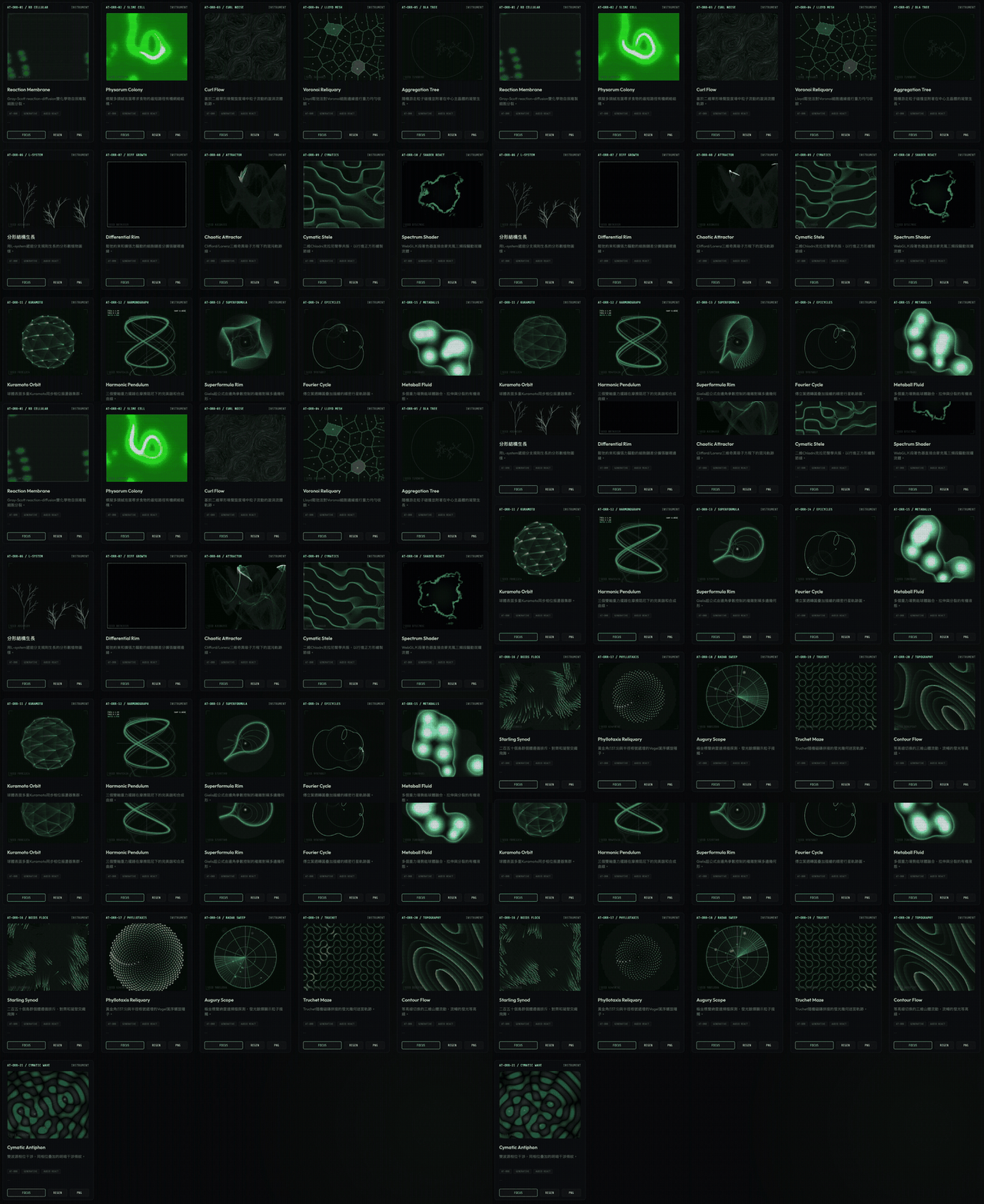
Recorded 3D human-machine interface with orbiting generative system panels
3D HMI FOCUS interaction for scanning and controlling 3D generative systems.
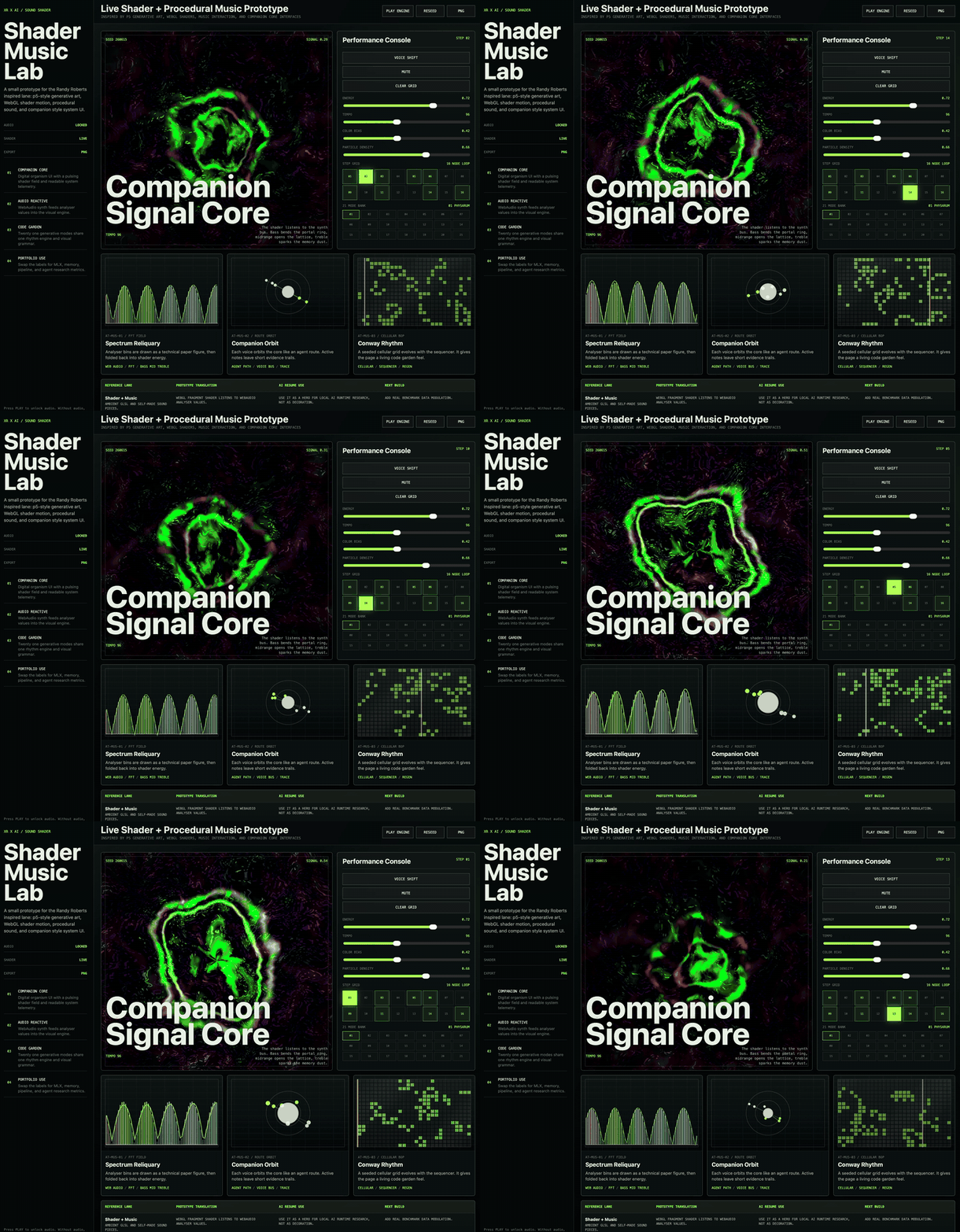
Central shader animation from audio reactive music lab
Shader Music Only the central shader core, framed as audio-reactive HMI evidence.
Second Shader Music Lab recording with audio-reactive visual interface
Shader Music II Second lab capture showing another audio-reactive shader and control surface.
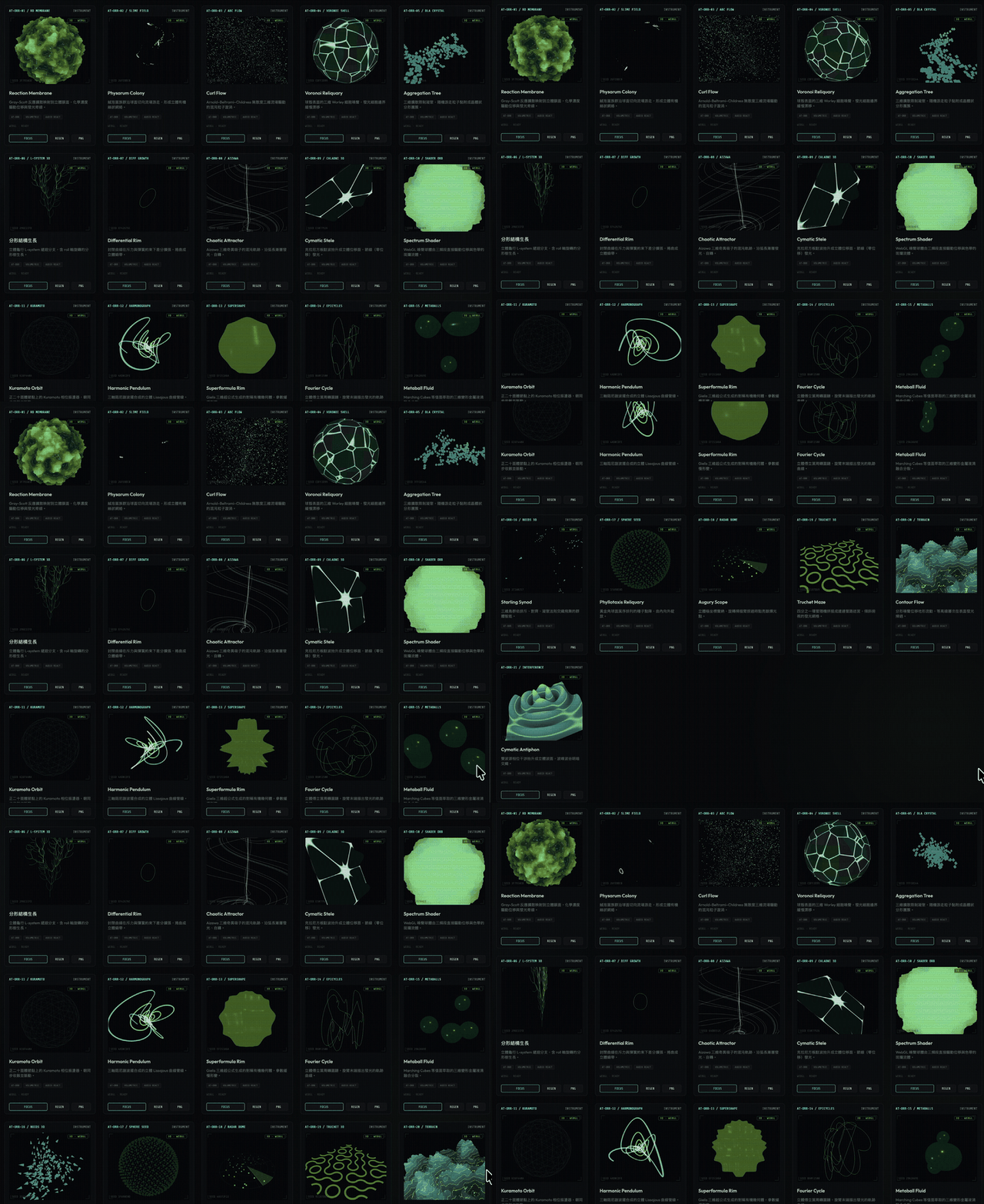
Recorded 2D focus operator grid with multiple design panels
Focus UI 2D panel scanner for comparing many generated systems at once.
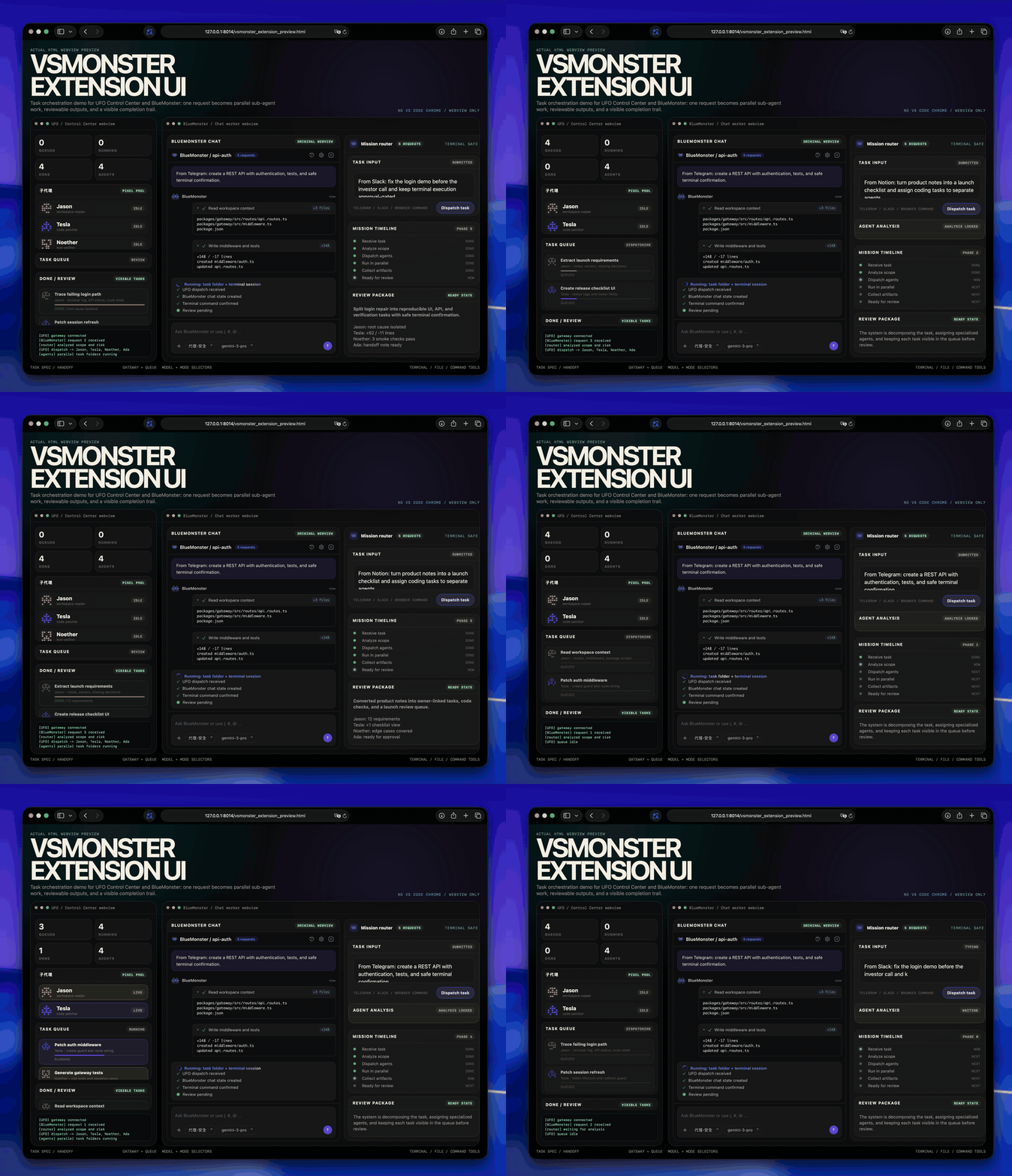
Actual VSMONSTER extension webview recording with chat, task queue, and subagent routing
VSMONSTER Phone-to-VS-Code agent harness with chat, task workers, subagent queue, and review flow.
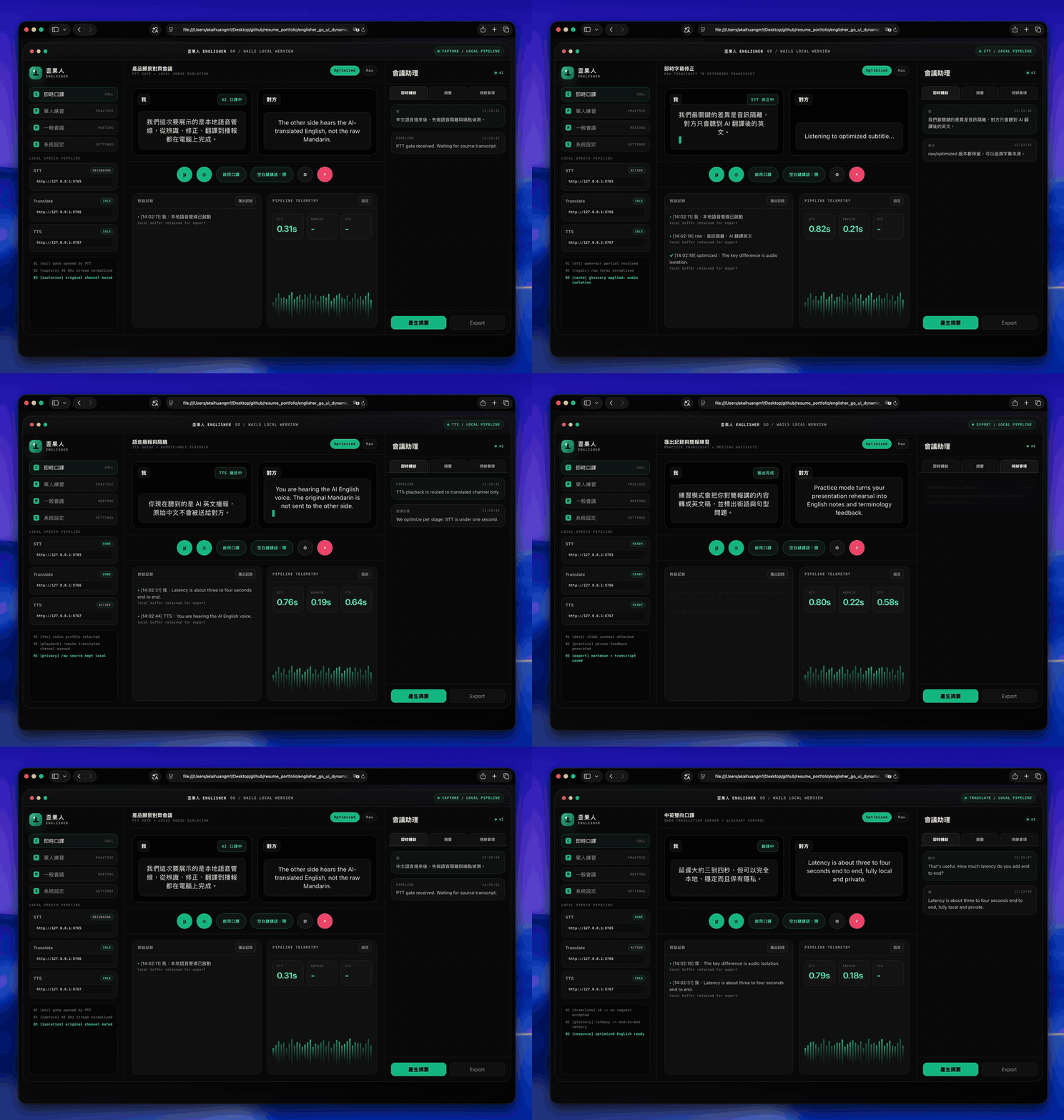
Englisher Wails Go interface recording with live transcript, rewrite, translation, and TTS
Englisher Actual Wails / Go speech loop: live transcript, rewrite, translation, TTS handoff, and repair state.
First Englisher Wails test version recording
Englisher V1 First test version showing the early interaction model before the product loop was refined.
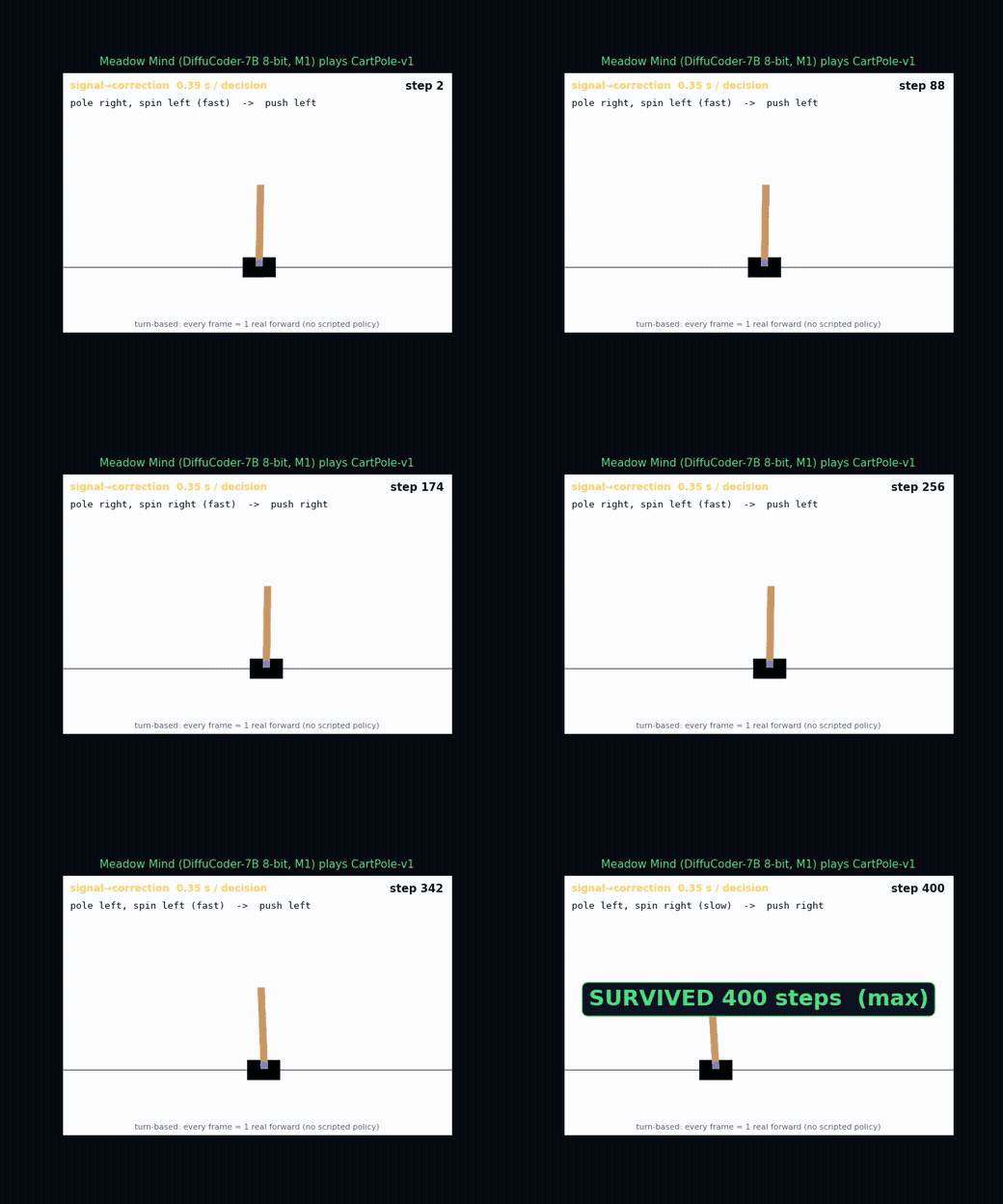
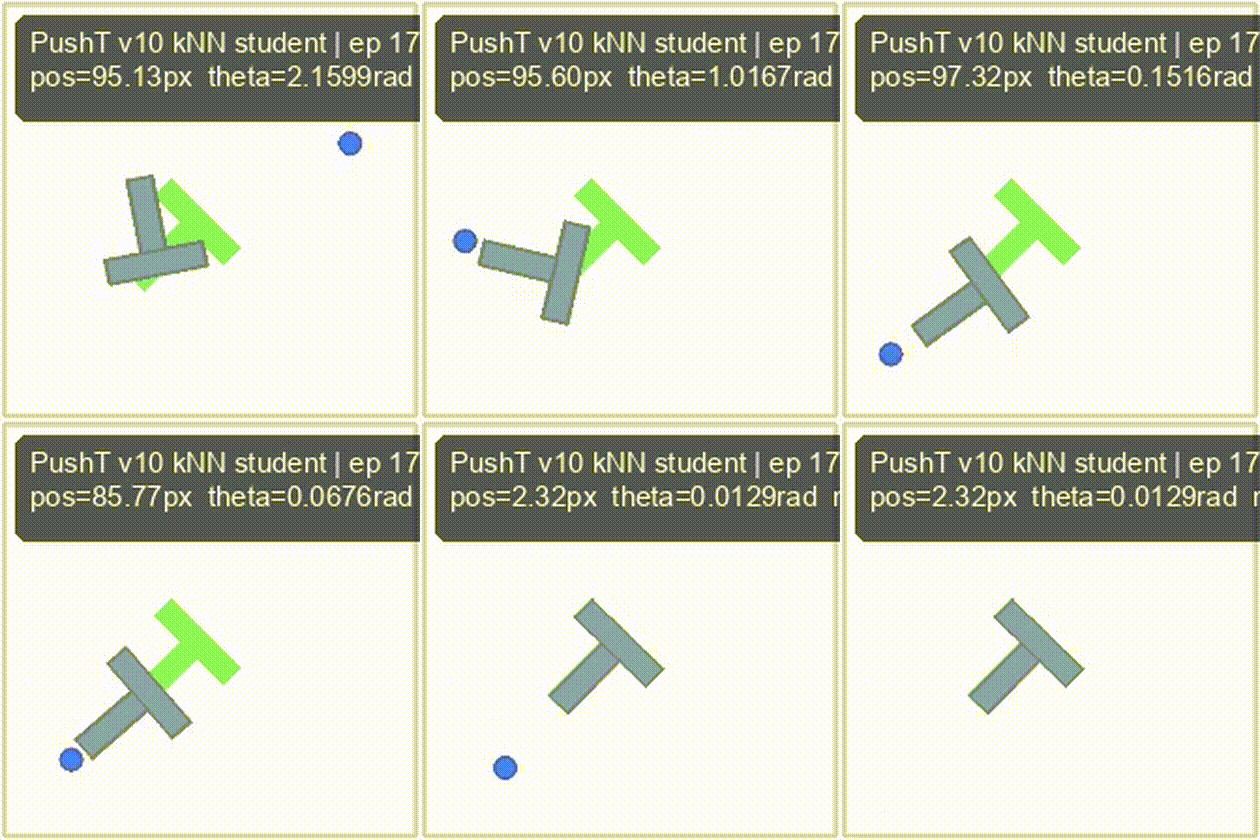
Meadow Mind CartPole zero-training decision demo
Meadow Mind CartPole-v1, local diffusion LLM decision loop, 400/400 result.
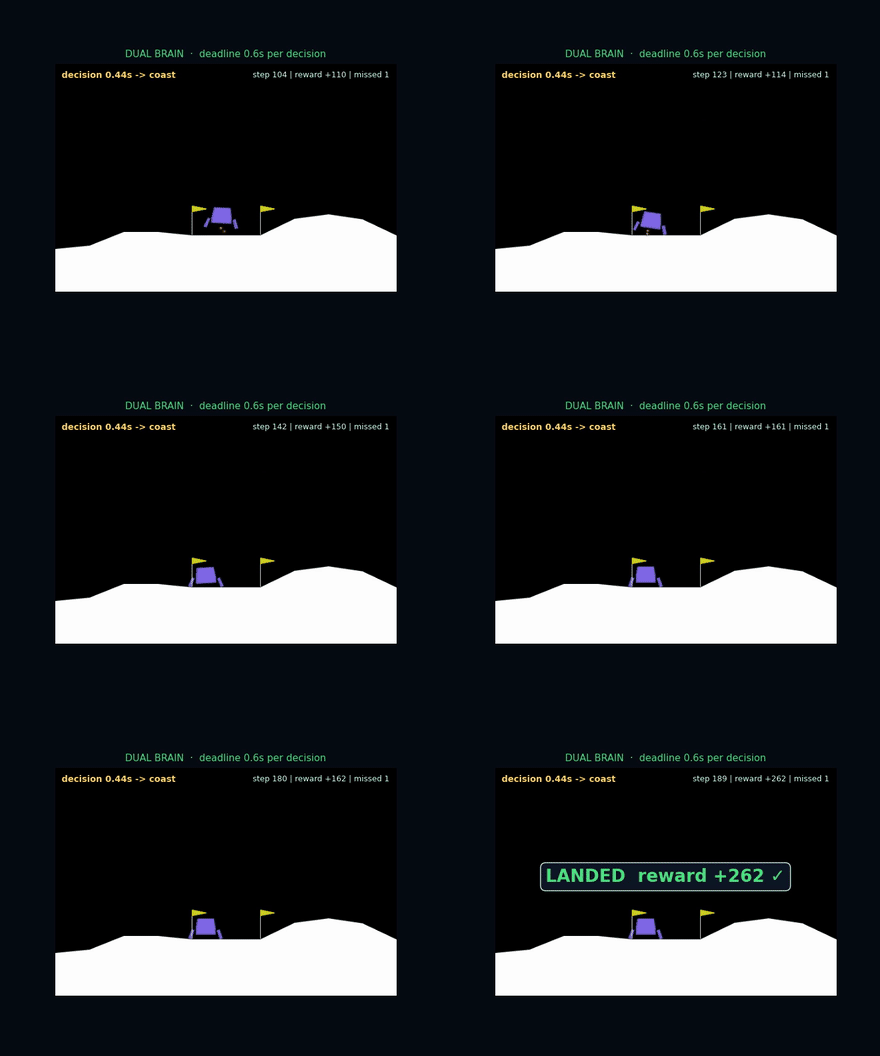
Meadow Mind LunarLander safe landing demo
LunarLander Rule-conditioned action choice with safe landing score.
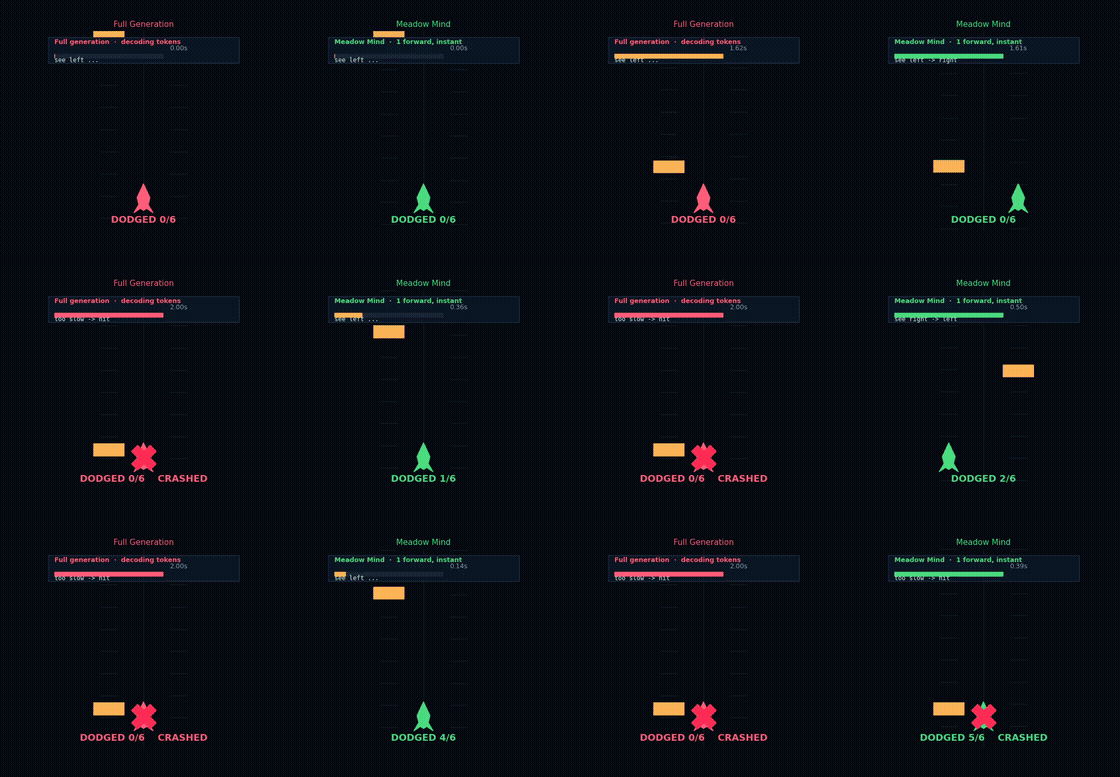
Meadow Mind real-time parkour reflex demo
Reflex Wall-clock action loop where late decisions crash for real.

Selected Work

Grouped by the interview story: model/runtime work first, then speech, agent harnesses, embodied AI, and HMI.

Generative Models & MLX

CUDA2MLX

CUDA / PyTorch to MLX / Porting Toolkit

Built a CUDA/PyTorch to Apple Silicon MLX porting toolkit that turns repeated model-port work into analyzable tiers, reusable rules, cookbook kernels, and parity gates.
  • Designed a four-tier conversion framework covering LLM, vision, 3D, sparse ops, custom Metal kernels, and signal workloads.
  • Documented 11/11 E2E parity and 37/37 smoke coverage; TinyViT max diff 8.49e-7 and LLaMA-style block max diff 2.38e-7.
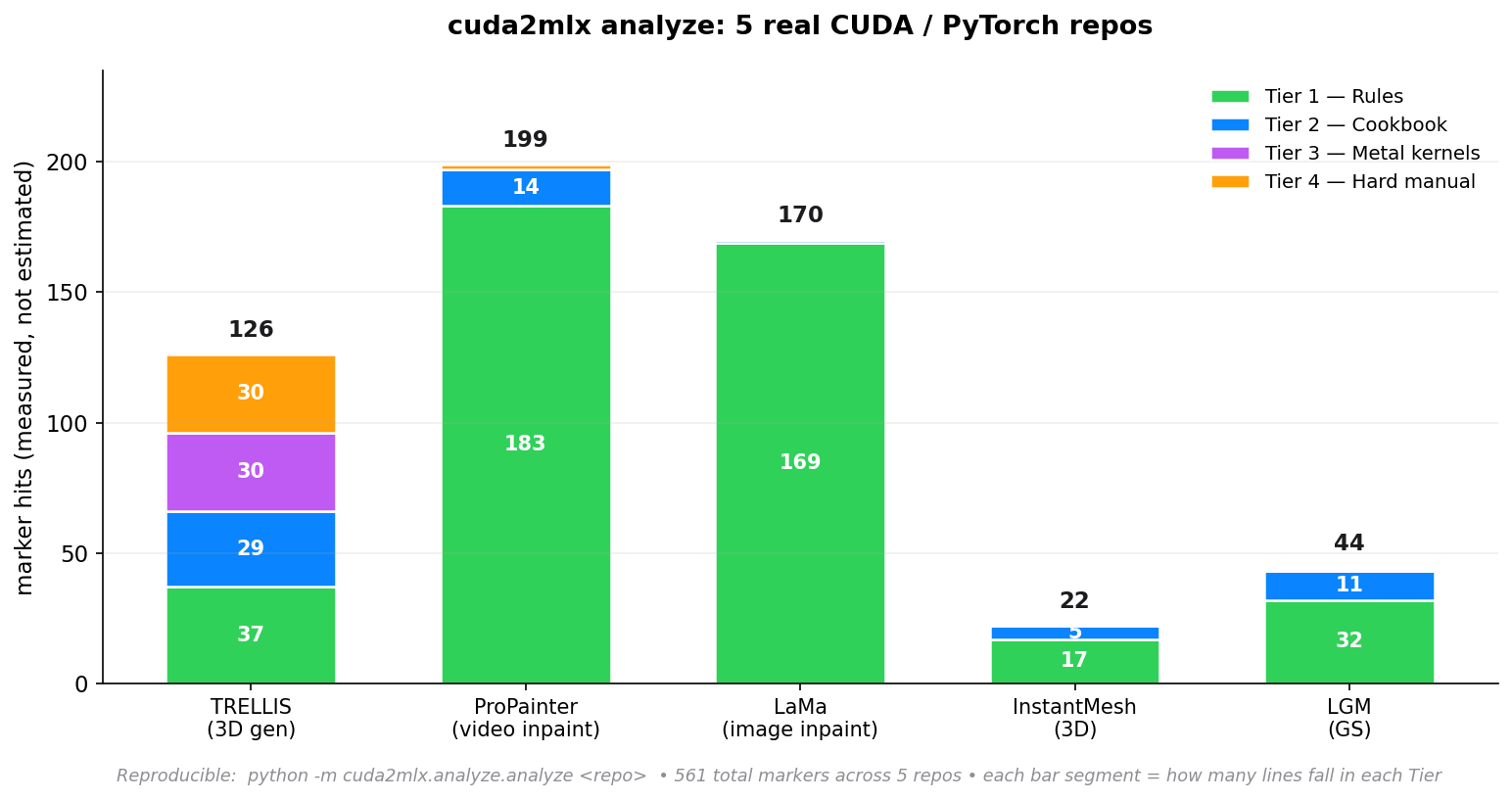
  • Ran the analyzer on TRELLIS, ProPainter, LaMa, InstantMesh, and LGM, exposing Tier 1/2/3/4 migration work before porting begins.
  • Relevance to Hermes: an agent can use this as a structured playbook for codebase analysis, port planning, parity testing, and repair loops.
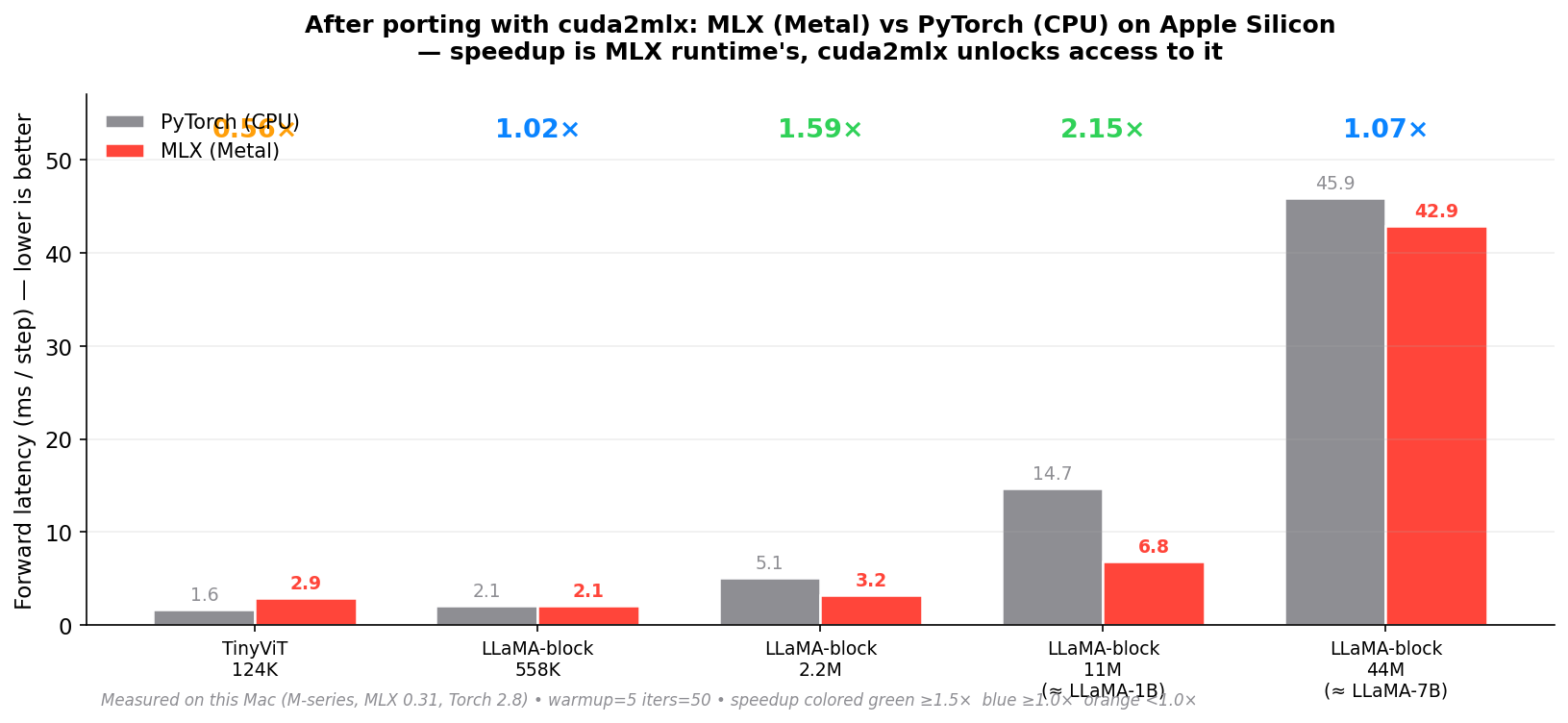
CUDA2MLX PyTorch versus MLX benchmark chart
PT vs MLXLLaMA-style block latency benchmark from the cuda2mlx README.
CUDA2MLX 11 of 11 parity test result chart
Parity gates11/11 E2E parity test evidence for port correctness.
CUDA2MLX analyzer tier breakdown across real CUDA repositories
Repo analyzerTier breakdown across five real CUDA/PyTorch repositories.

MLX Inpaint Ports

LaMa / ProPainter / Apple Silicon

Ported image and video inpainting pipelines into MLX for Apple Silicon, using numerical parity and visual outputs as acceptance gates rather than visual plausibility alone.
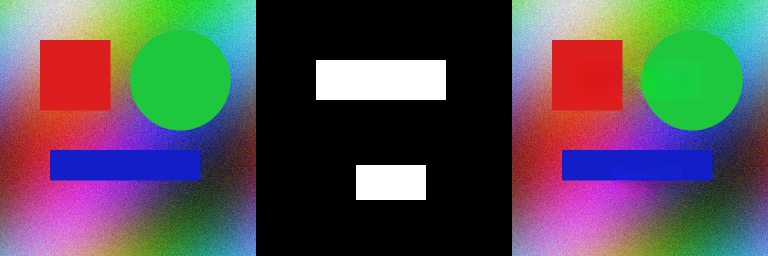
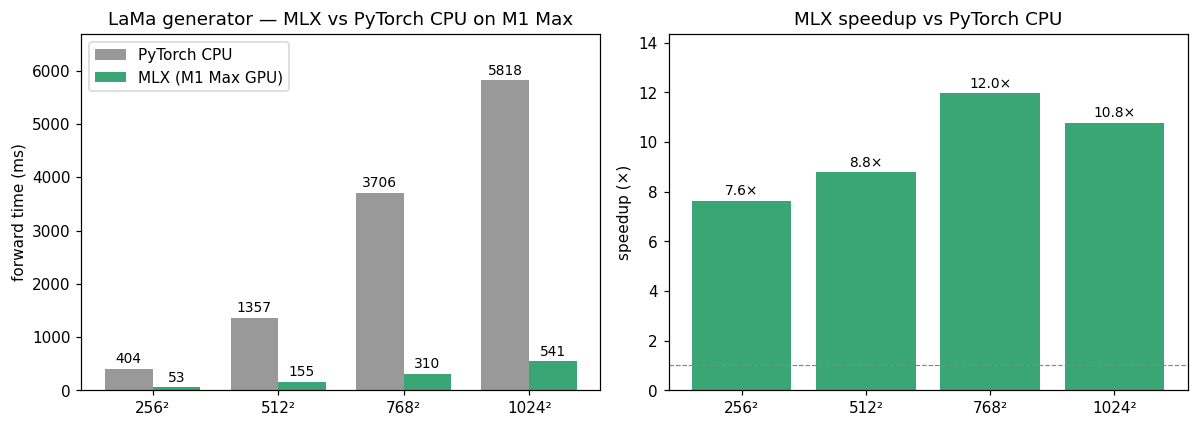
  • LaMa image inpainting: 51M-parameter FFCResNetGenerator, 96.67 dB PSNR against PyTorch on the test image, and 8-12x MLX speedups across useful resolutions.
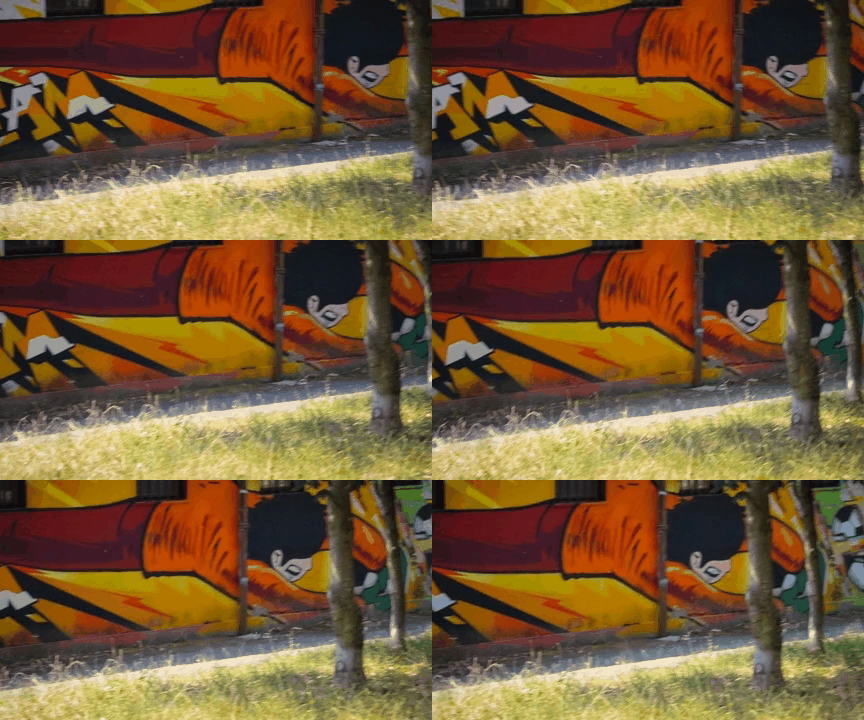
  • ProPainter video inpainting: RAFT optical flow, recurrent flow completion, modulated deformable convolution, sparse transformer, and top-level pipeline wired in MLX.
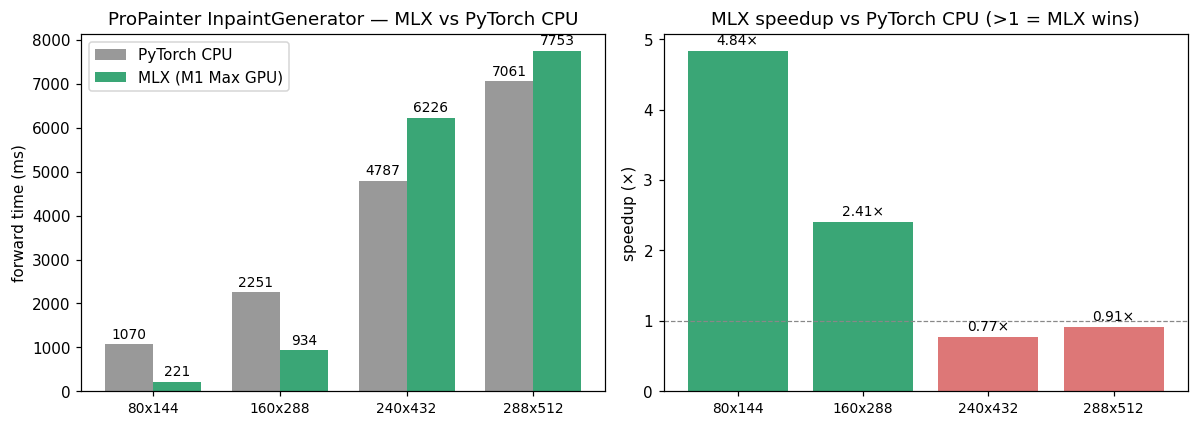
  • Reported full ProPainter pipeline parity at PSNR 59.4 dB vs PyTorch, plus practical ~450 ms/frame at 240x432 in the sliding-window path.
  • Relevance to Hermes: strong evidence for model-port debugging, tensor-layout reasoning, parity testing, and Apple Silicon runtime optimization.
LaMa MLX image inpainting triptych showing input mask and output
Image inpaintInput, mask, and MLX output for LaMa image inpainting.
ProPainter MLX video inpainting removing object from BMX sequence
Video inpaintAnimated ProPainter MLX sequence with object removal over time.
ProPainter MLX video inpainting triptych showing input mask and output
Video triptychInput frame, object mask, and MLX inpainted output from the ProPainter port.
LaMa MLX image inpainting speedup chart
Speedup chartLaMa MLX speedup chart, useful for Apple Silicon porting discussion.
ProPainter MLX video inpainting speedup chart
Video speedupProPainter forward-pass speedup chart and scaling caveats.

Generative Image Speedup

Image Generation / MLX / Speed Research

Built a measured image-generation speed study and product UI around Boogu Image, separating the fast product generation path from the slower offline vision-teacher path used by Meadow.
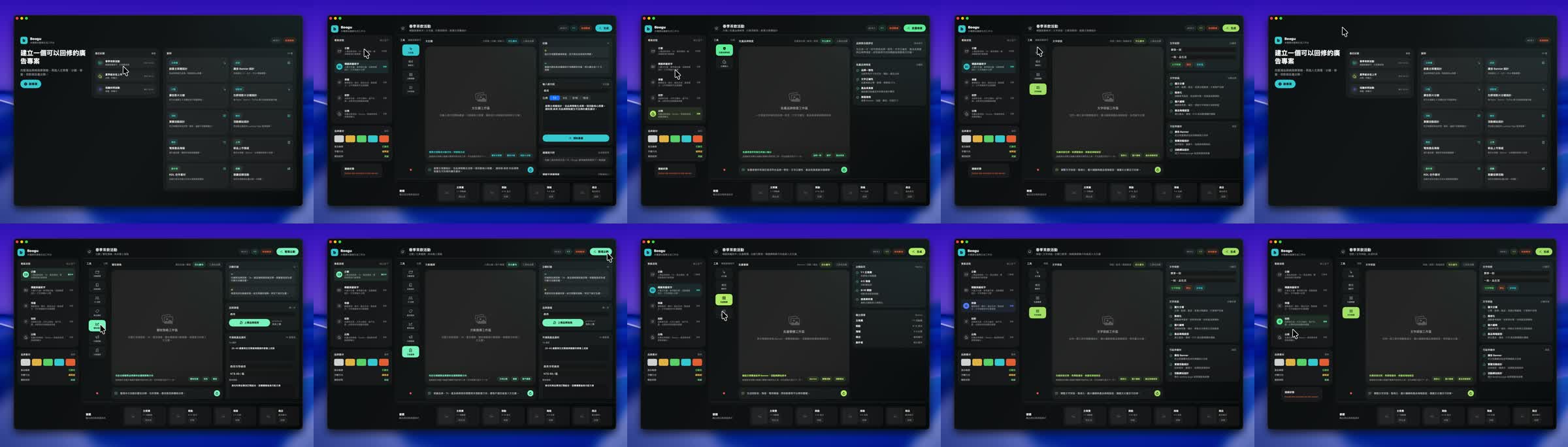
  • Kept Turbo-16bit / bf16 as the main image-generation route after comparing Base 4bit, Turbo-8bit, Turbo-bf16, degrid, and poster workflows.
  • Measured generation from 121.81s to 12.99s, a 9.38x speedup; DiT denoise moved from 120.61s to 11.23s, a 10.74x speedup.
  • Compared Boogu Edit with OpenCV, DINO, YOLOv8n-seg, and SAM, concluding that Boogu belongs in offline labeling, hazard hints, object memory, and rule extraction, not every-frame control.
  • Connected the research to Meadow hot paths: Boogu acts as a teacher, while compact detectors and Meadow policies keep runtime decisions in the ms range.
  • Relevance to Hermes: agents need to choose model routes, cache expensive work, explain quality and speed tradeoffs, and turn heavy vision models into controllable product workflows.
Boogu Image interface recording with generation speedtest states
Product UIBoogu Studio interface for image generation workflow, model path selection, and task stages.
Boogu Image speedup chart for Turbo bf16 and DiT denoise
Speed evidenceGeneration and denoise speedups from the local Boogu Image report.
Boogu Image speedtest storyboard frames
StoryboardInterface states across prompt, route, settings, and generation workflow.

Open the Boogu Image report

Speech Model Optimization

STT and TTS Pipeline

Voice Pipeline / Experience

Optimized the speech loop as a pipeline problem: capture, transcribe, normalize, rewrite, synthesize, and expose enough state for the user to repair errors.
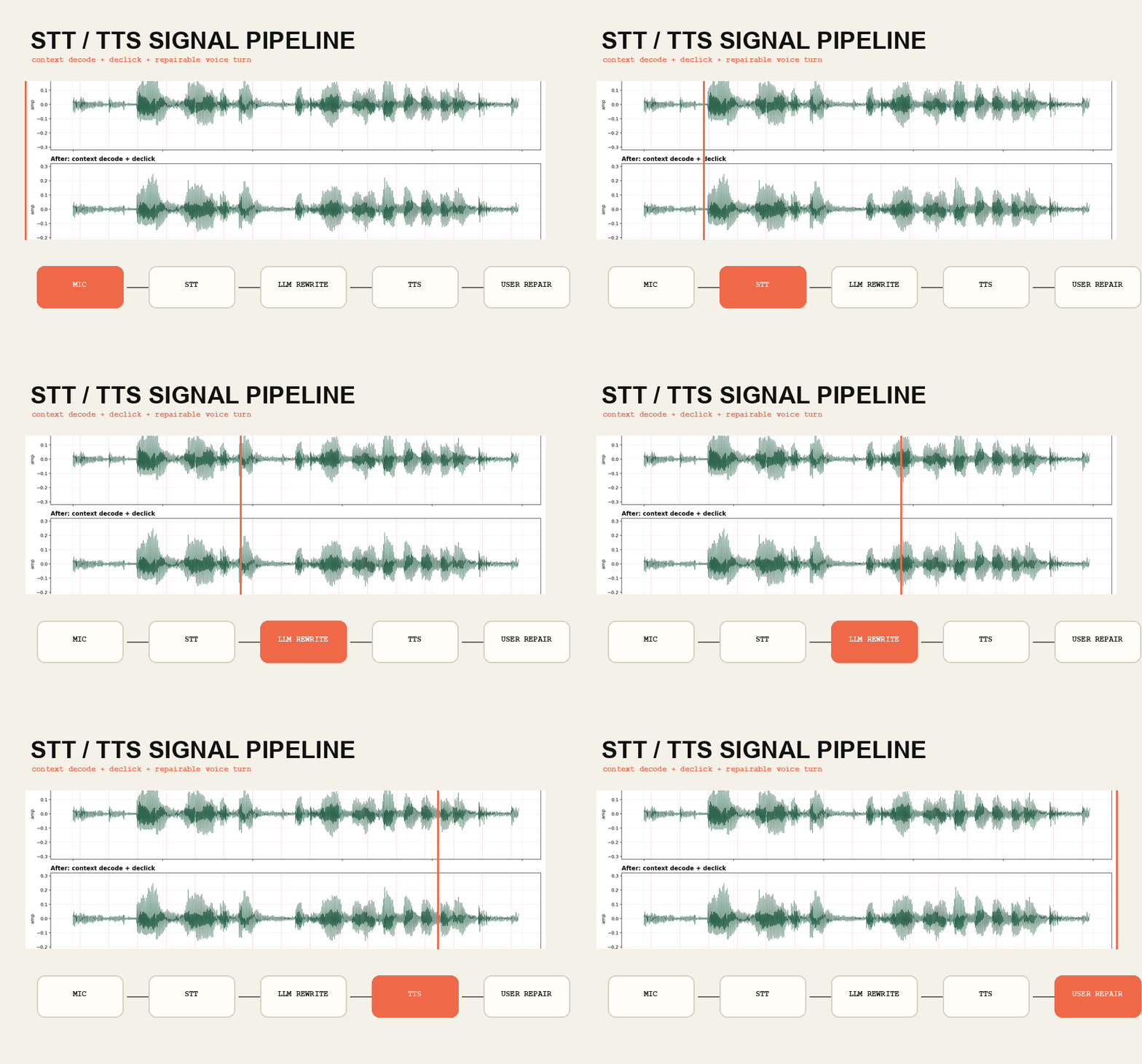
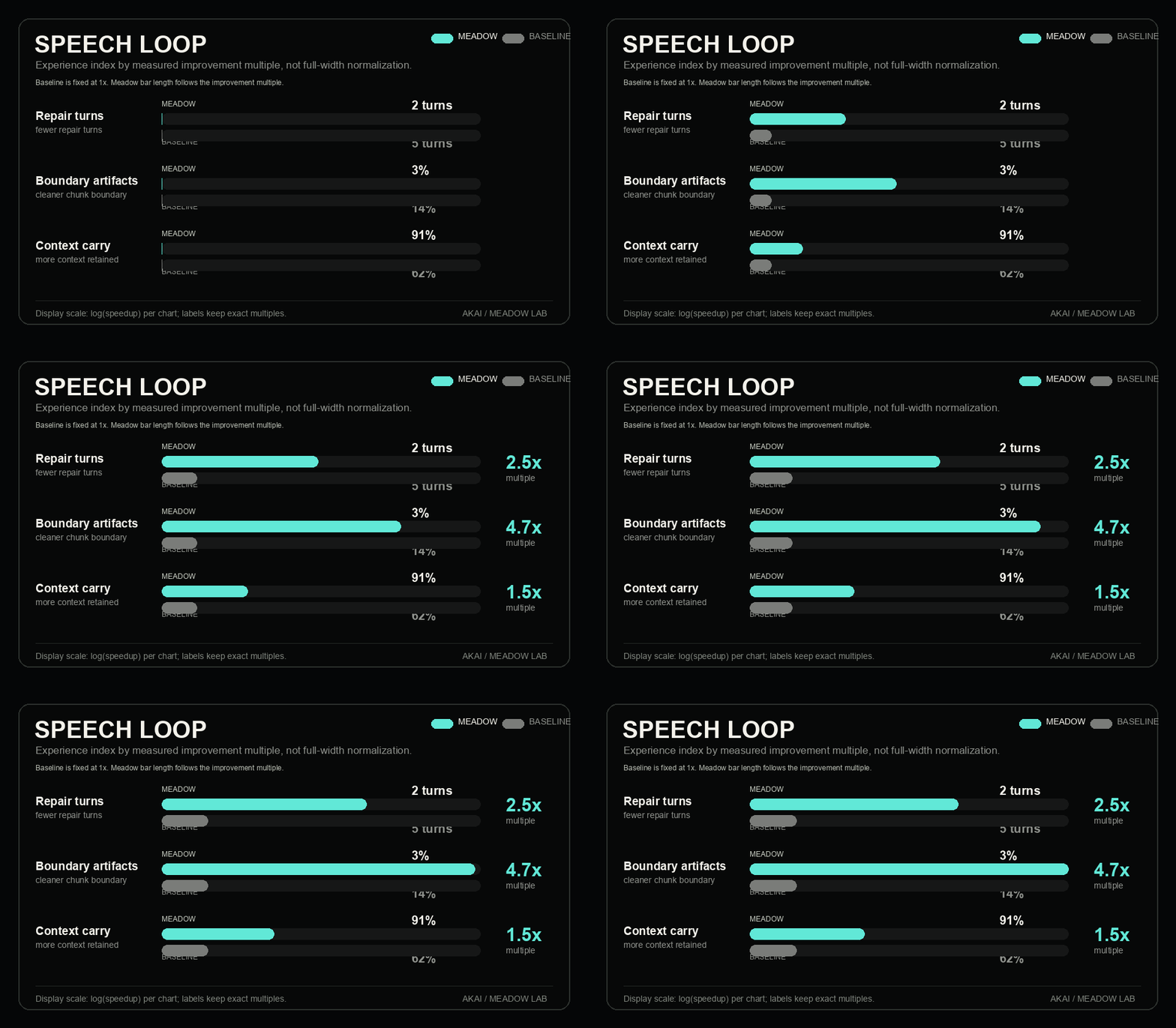
  • Used waveform-level boundary checks and context decode / declick artifacts to reason about audio continuity.
  • Separated latency, repair turns, audio artifacts, and context carry so voice quality is not judged by transcript accuracy alone.
  • Relevance to Hermes: voice agents need low-friction recovery, not just a good first answer.
STT and TTS pipeline waveform animation
PipelineWaveform, chunk boundaries, STT, rewrite, TTS, and repair as one visible chain.
Voice pipeline comparison chart
Voice benchmarkSpeedup-length chart for repair cost, boundary artifacts, and context carry.

Englisher

LLM Product / Speech UX

Built an English communication surface that treats speaking, translation, rewriting, and correction as one continuous user loop instead of separate tools.
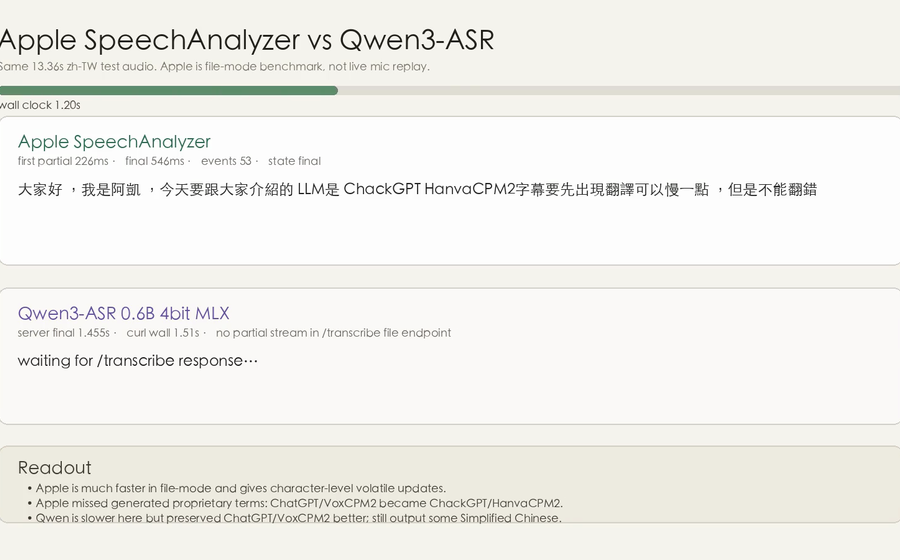
  • Designed the meeting translation UI around live captions, bilingual context, voice isolation, notes, and repairable output.
  • Compared speech recognition and rewrite paths so the user can see what changed and recover when the model misunderstands intent.
  • Relevance to Hermes: agent quality depends on turn-taking, editable output, and trust during imperfect model behavior.
Englisher Wails Go meeting translation and rewrite interface
Wails product loopActual Go / Wails interface for live captions, bilingual context, rewrite, TTS, and correction in one surface.
First Englisher test version screen recording
First test versionEarly UI loop used to validate whether spoken input, correction, and generated output belonged in one workflow.
Apple speech and Qwen STT comparison for Englisher
STT comparisonProject-specific speech recognition comparison, not a borrowed HMI thumbnail.
LLM & Harness

OpenAI Parameter Golf

Small Language Models / Training Research

Participated in OpenAI Parameter Golf / Model Craft Challenge as a solo research line. The final ranking was not strong, but the work produced several useful architecture probes for compact language models under a hard 10-minute training and 16MB artifact budget.

  • Best mature competition run: 1.2146 BPB base and 1.1854 compliant no-SLOT eval on the final partial-retrodiction 8xH100 run.
  • Built a retrodiction training line: a causal model learns both normal forward prediction and reversed-sequence auxiliary prediction, inspired by recovery-map style reasoning.
  • Built a shared-weight AR + masked-denoising line where the same model supports causal drafting and two-pass coarse-to-fine infill; 11L final-checkpoint verification showed -0.0205 +/- 0.005 BPB against a matched causal-only control.
  • Explored v4096 tokenizer, TTT, SLOT-style eval-time adaptation, CDM sequential unmasking, model compression, and H100 throughput tradeoffs; the strongest stable eval-time probe reached 0.7688 BPB with SLOT-24 stride=96 on a 1.5M-token / 3% validation slice.
  • The key lesson was budget-aware architecture search rather than leaderboard chasing: separate stable competition numbers from lower-confidence eval-time probes, then keep the useful mechanism.
  • Relevance to Hermes: agents need the same discipline: honest metrics, route selection, test-time adaptation, and knowing when a novel mechanism is a research signal rather than a product claim.
OpenAI Parameter Golf retrodiction and shared AR plus CDM architecture summary
Architecture summaryRetrodiction, shared AR + CDM, best BPB numbers, and the product-relevant lesson: optimize under real constraints.

Open the Meadow Golf research diary

Meadow Core / MLX Runtime

Local Inference / API Contract

Moved local model work from scripts into reusable runtime surfaces for CLI, desktop, browser, and phone-preview workflows.
  • Worked on MLX profiles, vLLM serve bridges, KV cache policy, warm service lifecycle, model switch cleanup, and streaming generation fixes.
  • Wrapped local inference as OpenAI-compatible APIs so product surfaces can share the same model contract.
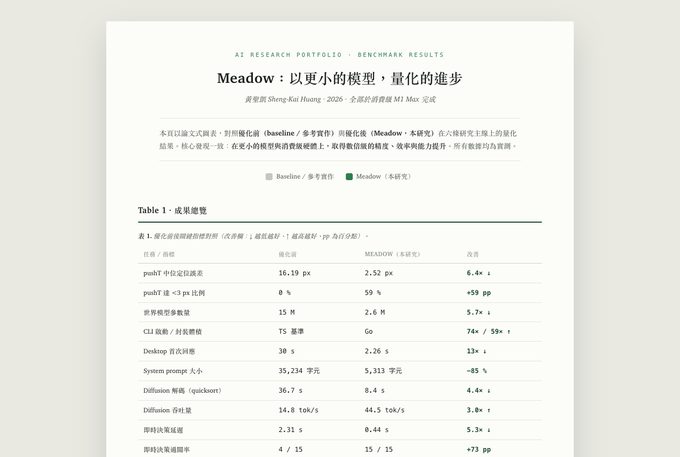
  • Measured Gemma 4 12B TTFT from 2.67s to 0.89s and throughput from 17.60 to 20.19 tok/s; shared warm runs reached 397ms.
  • Relevance to Hermes: agent UX is shaped by managed inference, streaming behavior, and runtime recovery.
MLX runtime benchmark chart with corrected bar ratios
Speedup-length barsOur optimized result is colored on top; bar length follows the improvement multiple.
Runtime optimization result table
Benchmark tableSource-style before and after table for interview discussion.

Meadow CLI

Go Runtime / Local Tooling

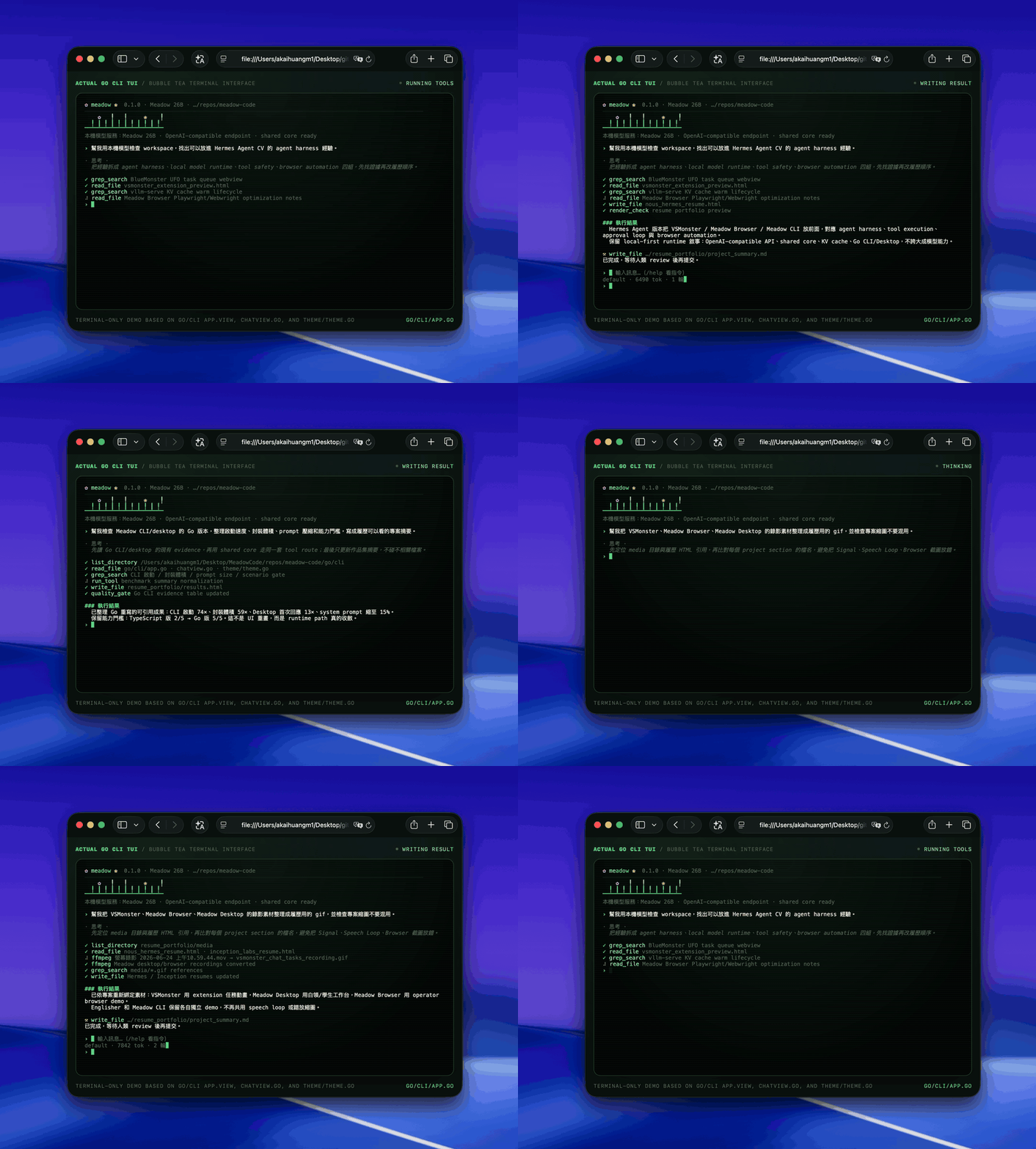
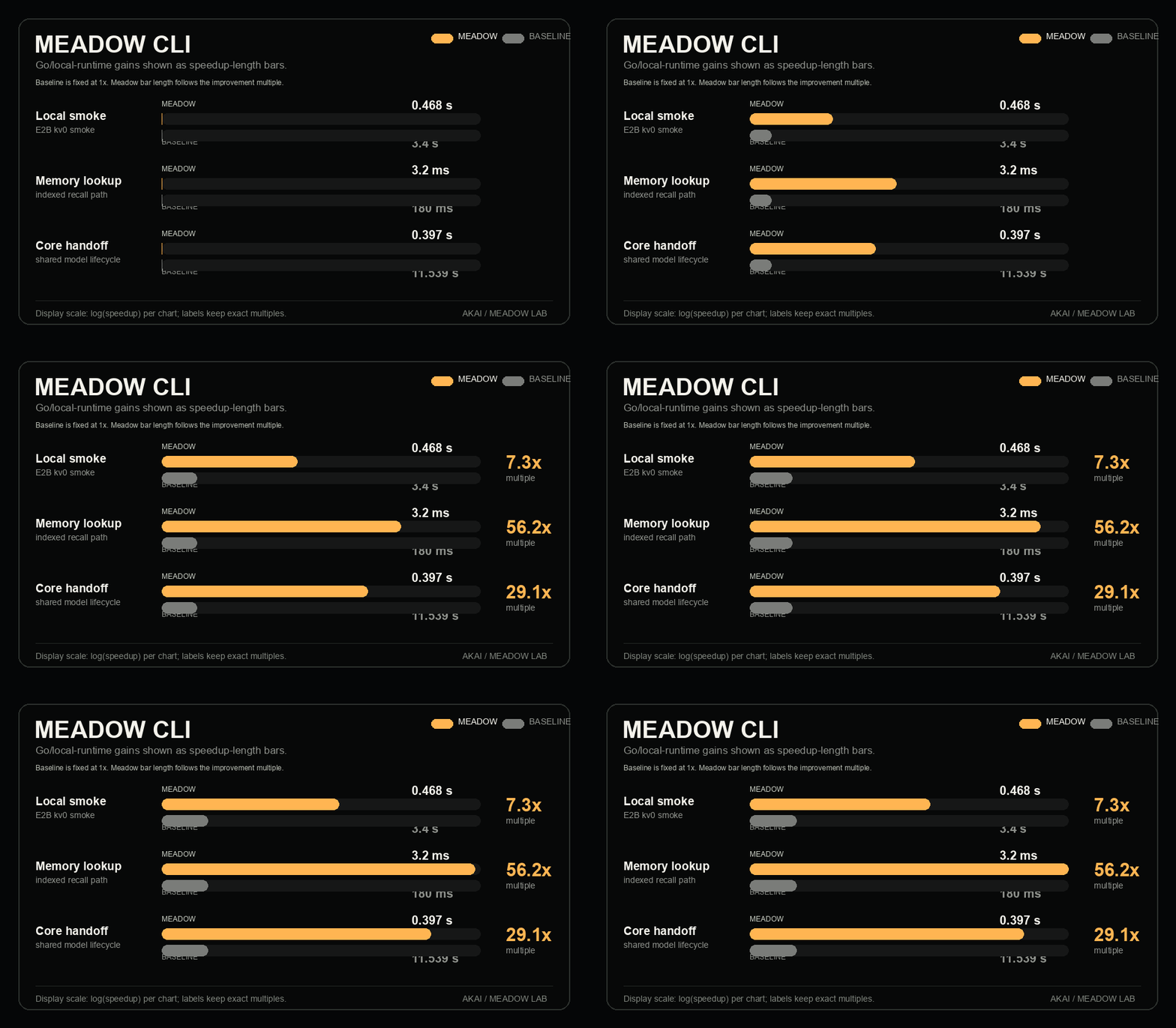
Worked on command-line local agent execution where startup time, model service reuse, memory lookup, and reconnect behavior directly change developer experience.
  • Kept the CLI contract close to OpenAI-compatible local services so runtime upgrades do not break users.
  • Validated local chat flow, reconnect smoke, model status, and MemPalace lookups instead of only checking build success.
  • Relevance to Hermes: developer agents need predictable command surfaces and evidence-backed runtime states.
Recorded Meadow Go CLI terminal interface with task execution and local runtime state
CLI recordingActual terminal-style Meadow CLI flow showing task input, local runtime state, and execution trace.
Meadow CLI lifecycle benchmark chart
CLI benchmarkOur runtime path is shown on top in color; the slower baseline stays gray below.

Open the Meadow CLI dynamic demo / Open the actual Meadow Go interface preview

Meadow Desktop

Desktop Runtime / App Lifecycle

Optimized the desktop layer as a managed local-AI product surface: service lifecycle, user waiting states, response streaming, model switching, and predictable recovery.
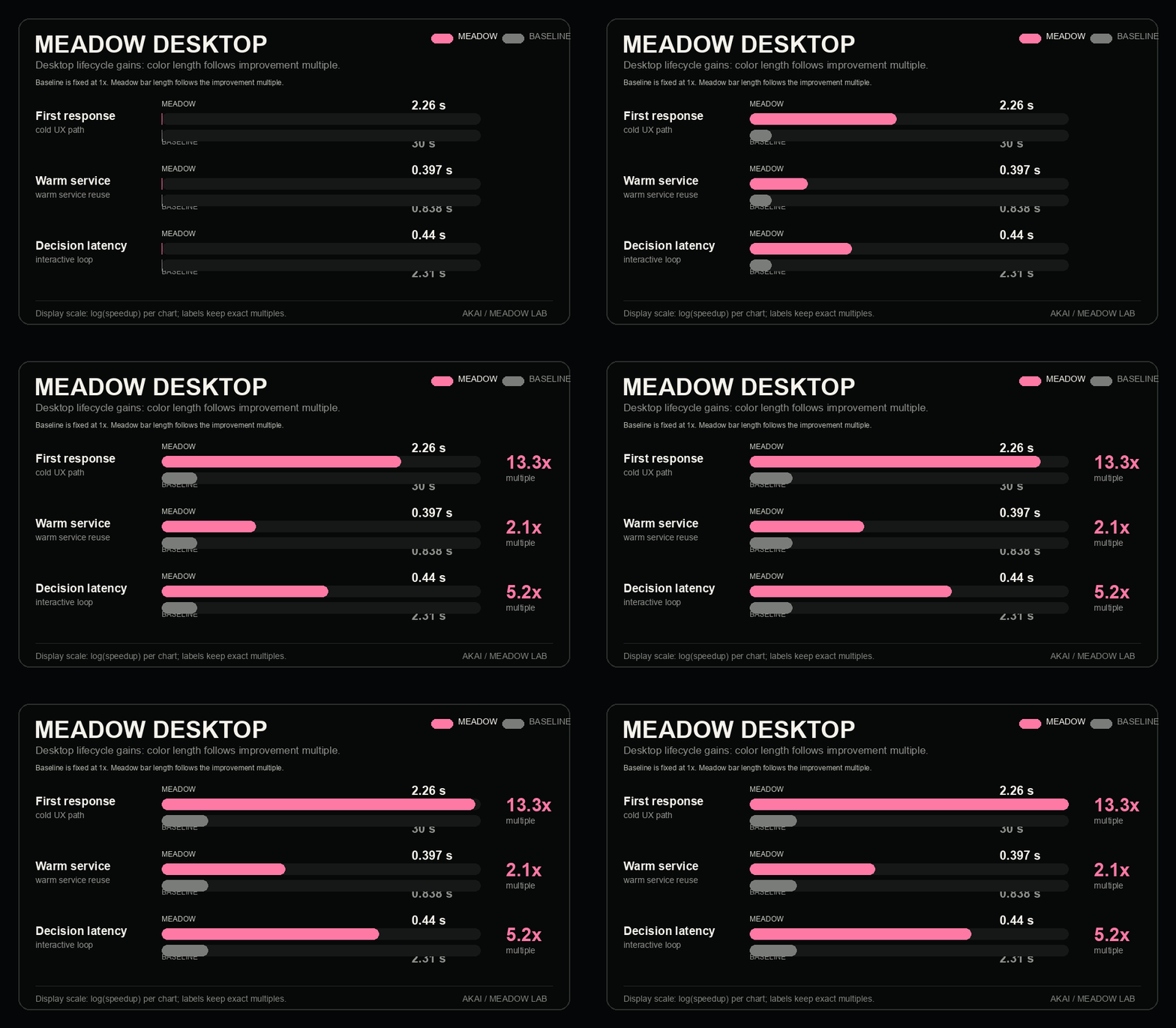
  • Focused on launch feel, warm service availability, sidecar state cleanup, reconnect snapshots, and streaming completion.
  • Separated UI reliability from model quality so the app can explain what is loading, what failed, and what recovered.
  • Relevance to Hermes: desktop agents need durable local runtime states, not fragile demo windows.
Recorded Meadow Desktop workflow showing local workspace actions and generated outputs
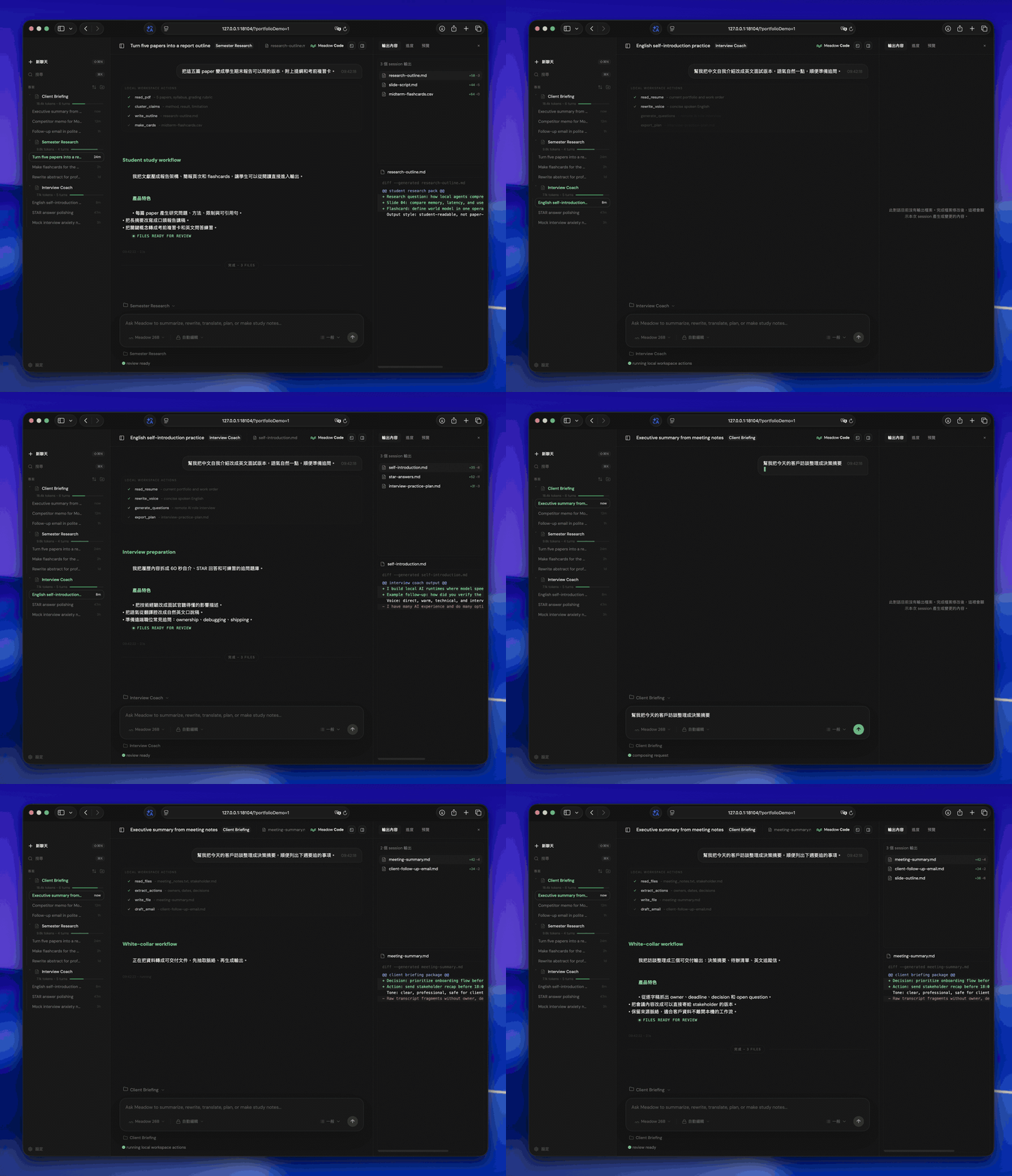
Desktop recordingActual Go Desktop frontend running white-collar and student workflows with visible workspace actions.
Meadow Desktop lifecycle benchmark chart
Lifecycle benchmarkDesktop lifecycle gains scaled by improvement multiple, with baseline fixed at 1x.
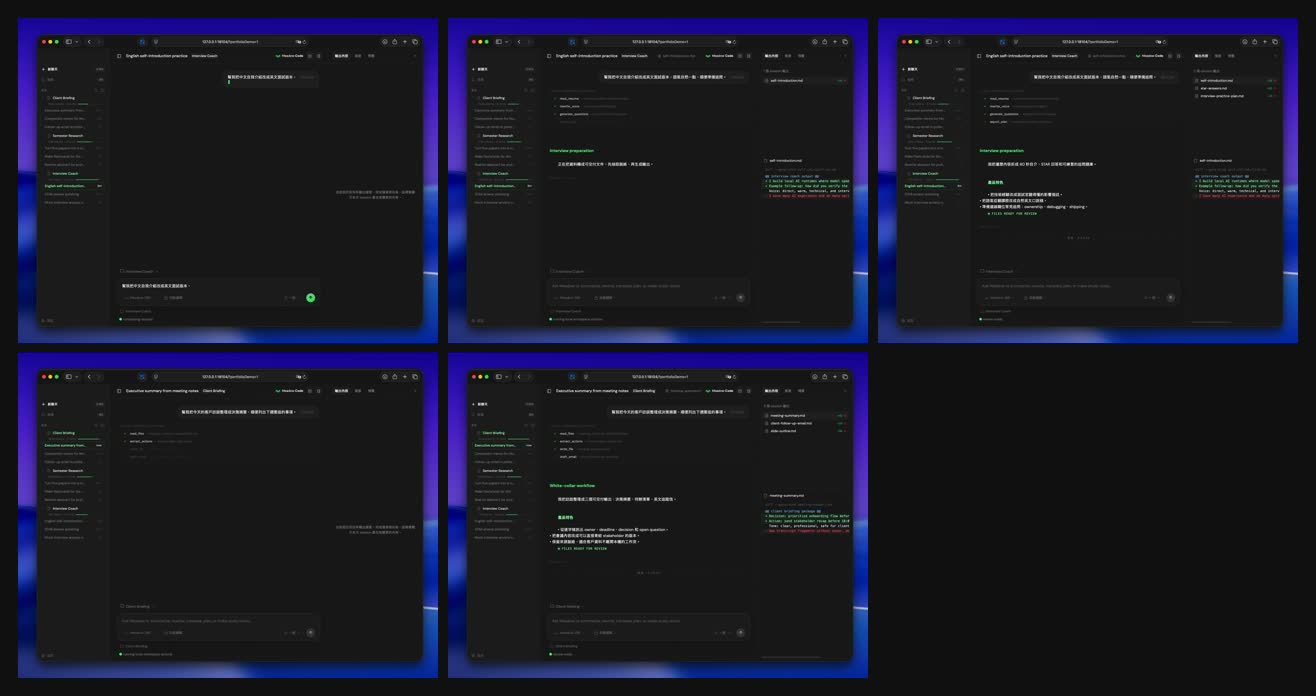
Meadow Desktop recording storyboard frames
Workflow storyboardResearch outline, study pack, interview prep, output files, and review-ready states.

Open the actual Meadow Go interface preview

Meadow Browser

Browser Agent / Navigation / DOM

Explored browser operation as an agent tool: deterministic navigation, DOM reading, visual context, overlay interaction, and shared-core chat fallback.
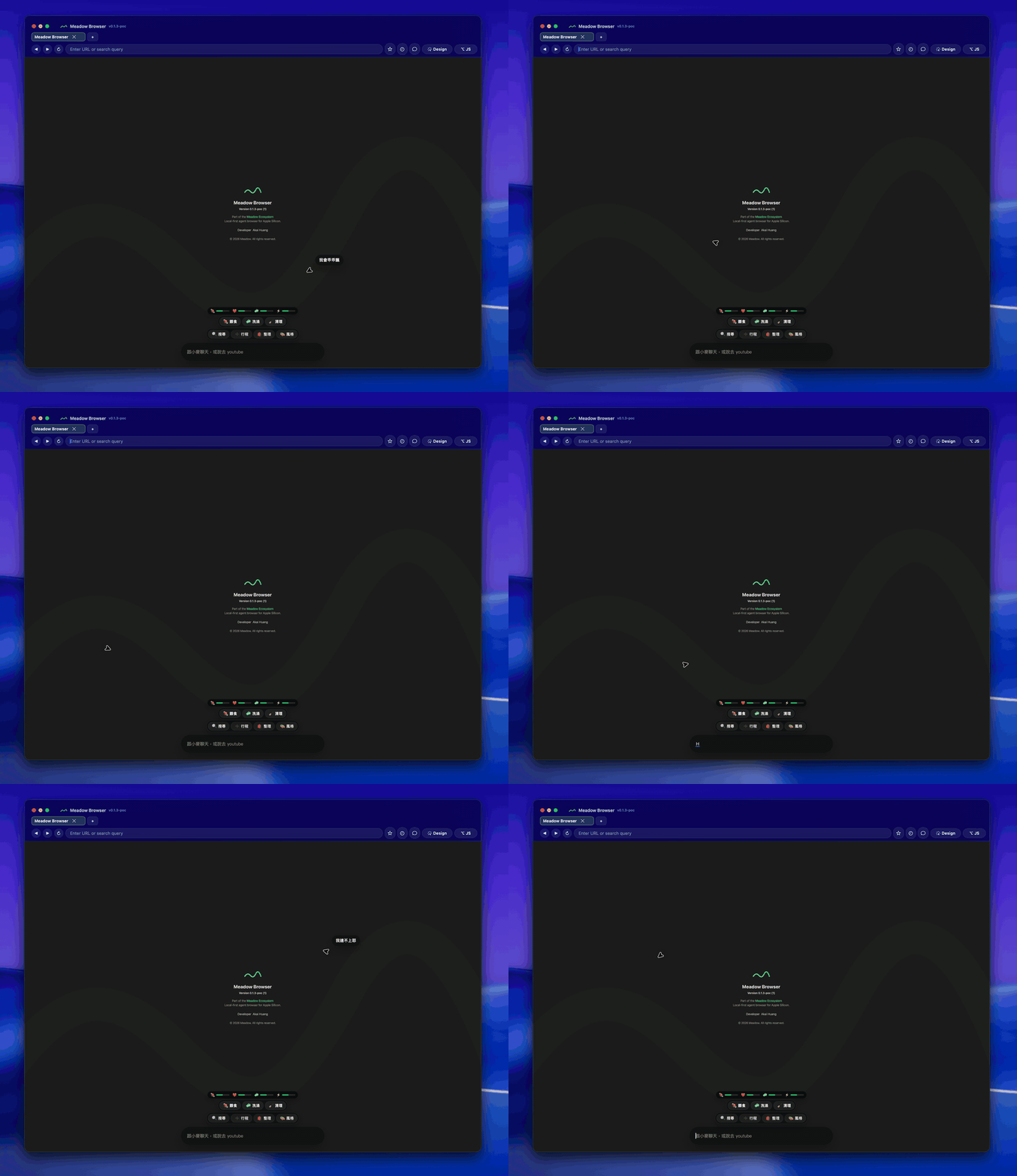
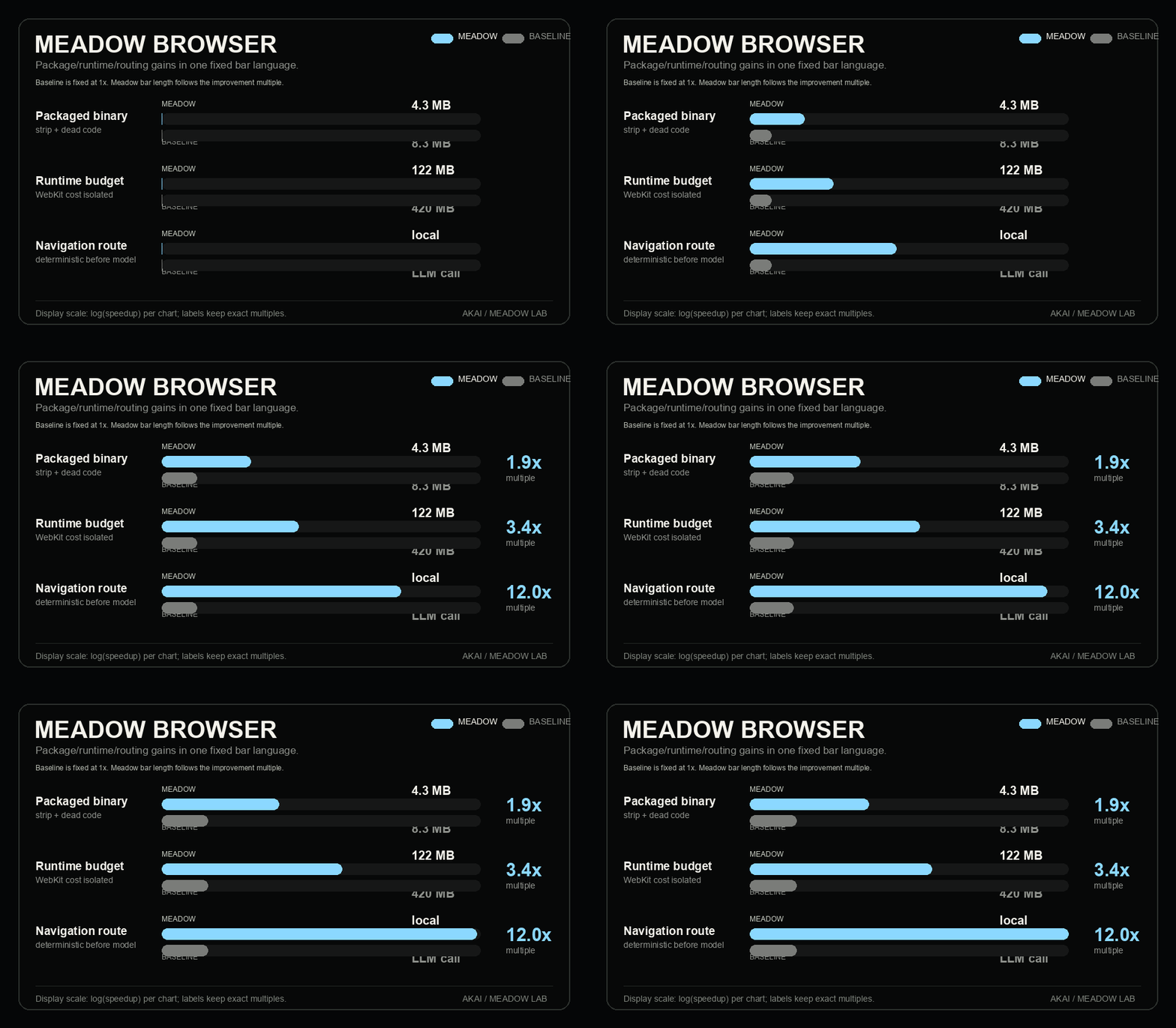
  • Kept navigation prompts local and deterministic while chat uses the shared Meadow Core endpoint.
  • Worked on package/runtime reduction, release-only optimization, lazy console creation, and opt-in Web Inspector.
  • Relevance to Hermes: real agents live inside browsers, forms, docs, and unstable web apps.
Latest recorded Meadow Browser interface with local browser controls and command bubble
Browser recordingLatest Meadow Browser surface with navigation controls, command bubble, and local-first agent affordances.
Meadow Browser package and routing benchmark chart
Browser benchmarkPackage/runtime and routing gains shown as single-color Meadow bars.

VSMONSTER

Agent Harness / VS Code

Built an early phone-to-VS-Code agent harness concept where mobile and social messages become reviewed coding tasks, with a UFO control center and BlueMonster worker surface.
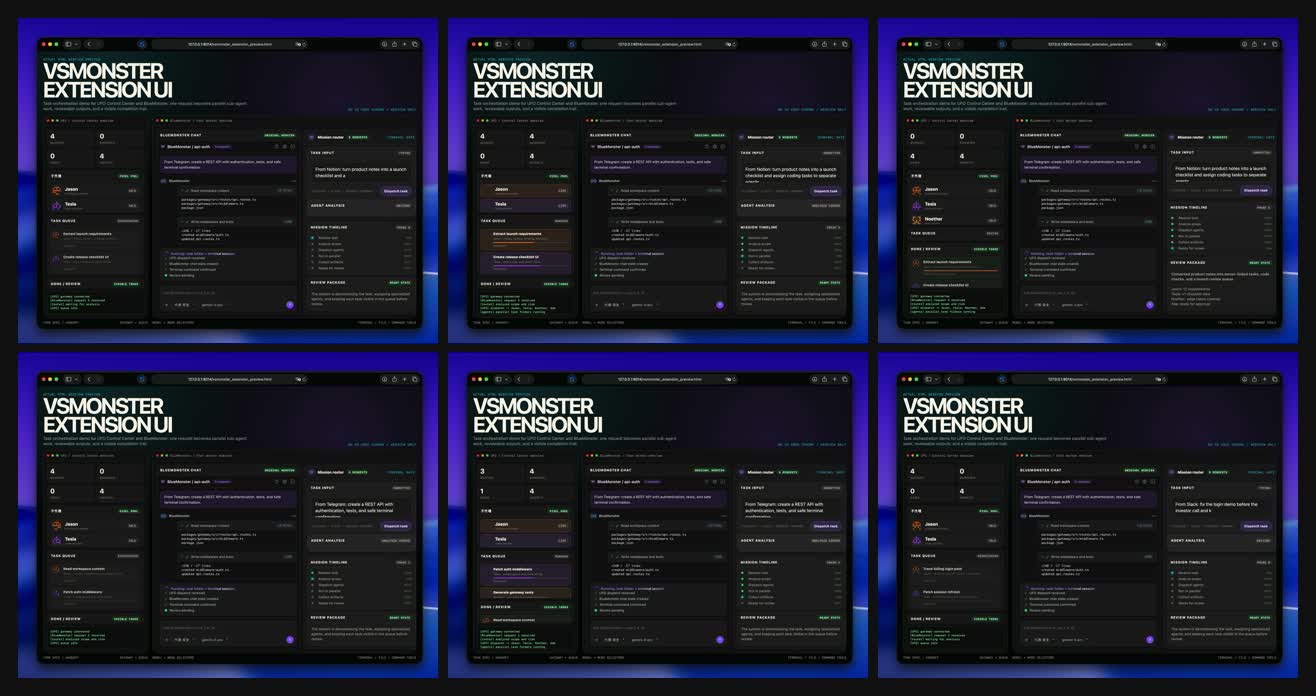
  • Designed the Holography message bridge, UFO Control Center webview, BlueMonster chat/task worker, and review-gated task lifecycle.
  • Connected Gateway WebSocket, VS Code extension HTML surfaces, Copilot bridge, MCP control, tunnel service, and task-board concepts.
  • Relevance to Hermes: direct experience turning agent workflows into controllable operating surfaces rather than one-off prompts.
Actual VSMONSTER HTML webview recording with chat and task routing
Actual webviewRecorded extension preview combining UFO Control Center, BlueMonster chat, task queue, and subagent workers.
VSMONSTER chat and task routing storyboard frames
Task storyboardTask intake, agent analysis, queue dispatch, parallel work, terminal check, and review states.
Embodied AI

Meadow WB Tools

3DGS / Object / Human Motion

Worked on world-building experiments that convert visual evidence into usable 3D or embodied state: spaces, objects, and skeleton or motion state from video.
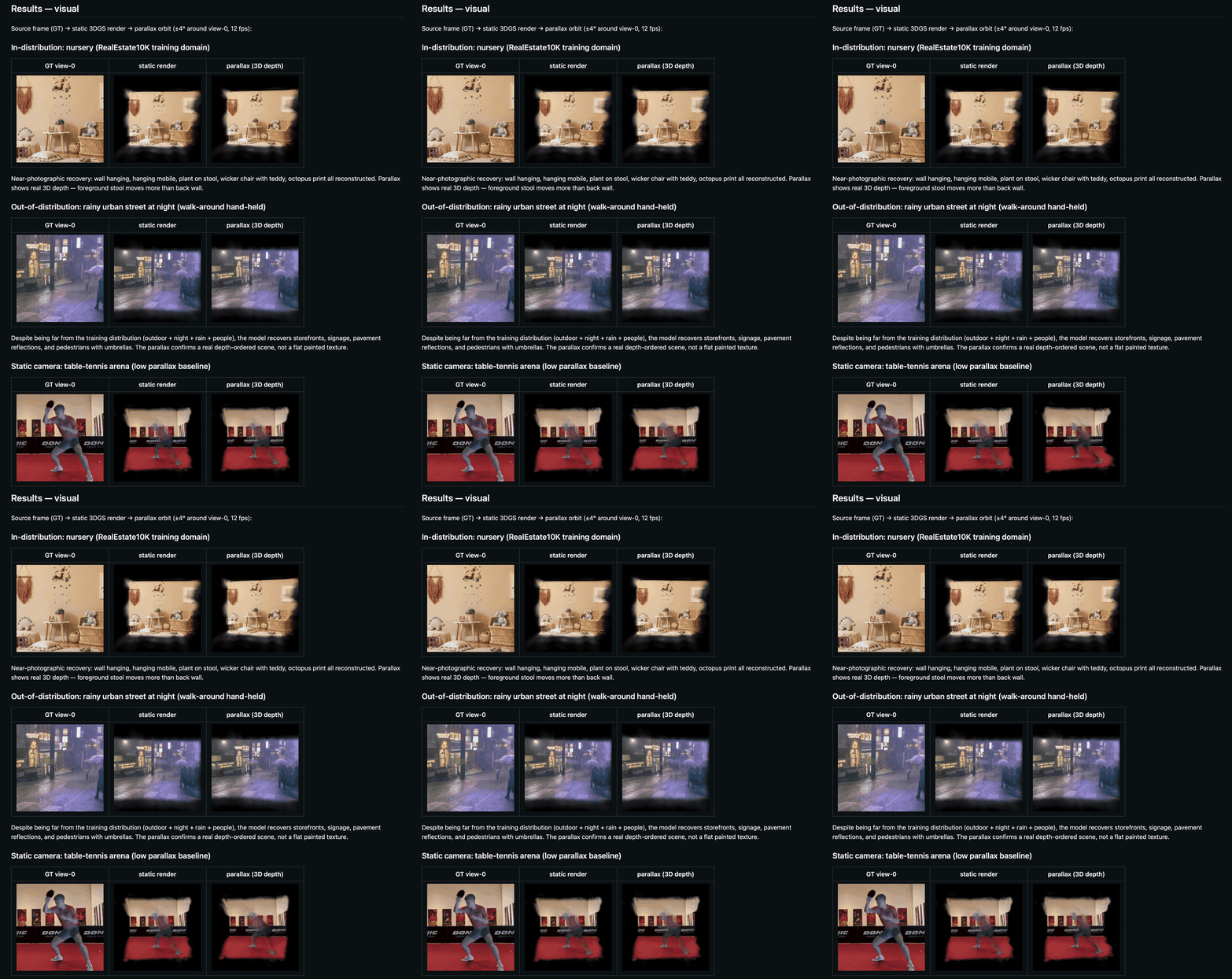
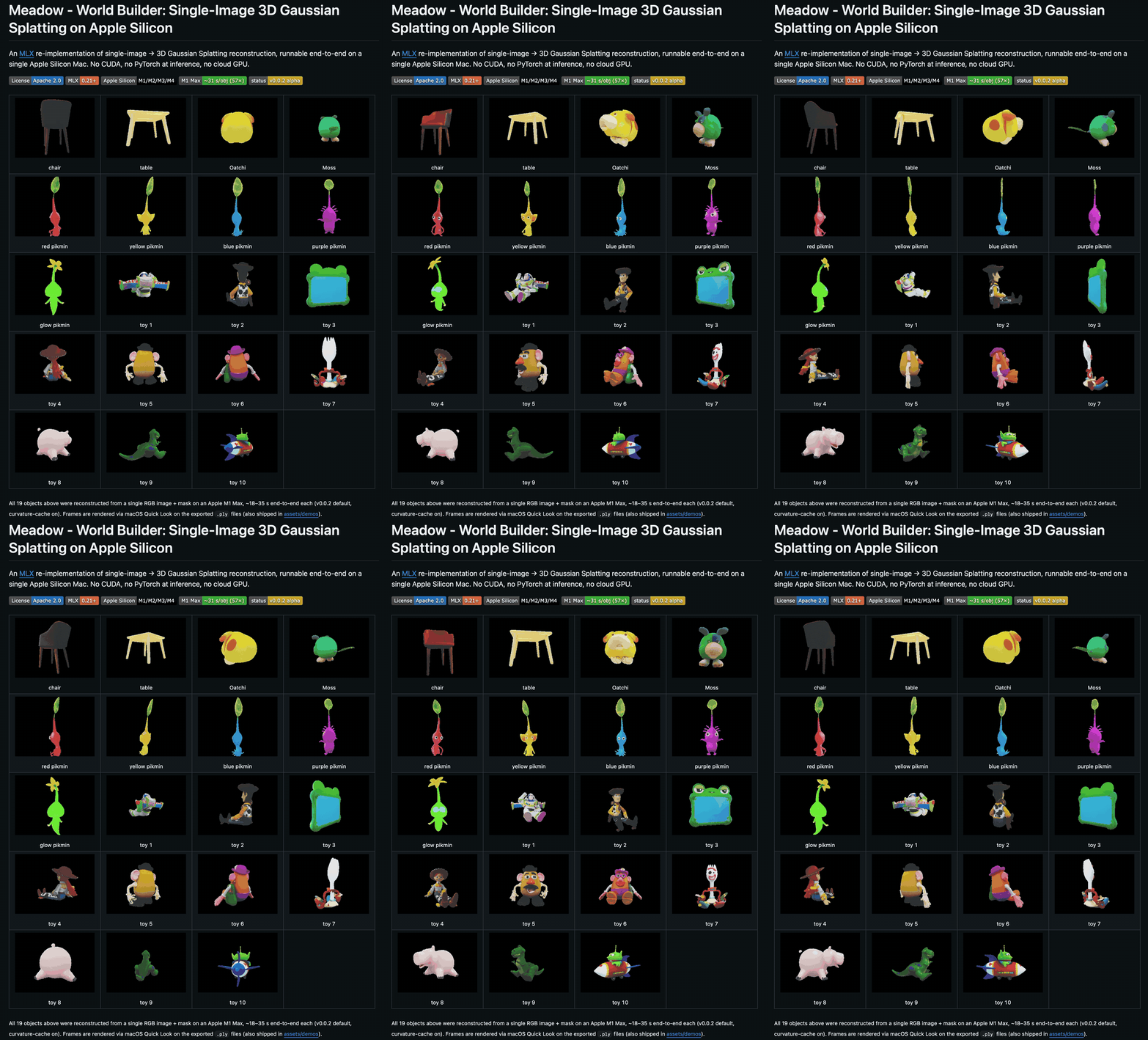
  • Separated 3DGS environment capture, 3DGS object reconstruction, human motion capture, fast preview, and high-quality SAM 3D branches.
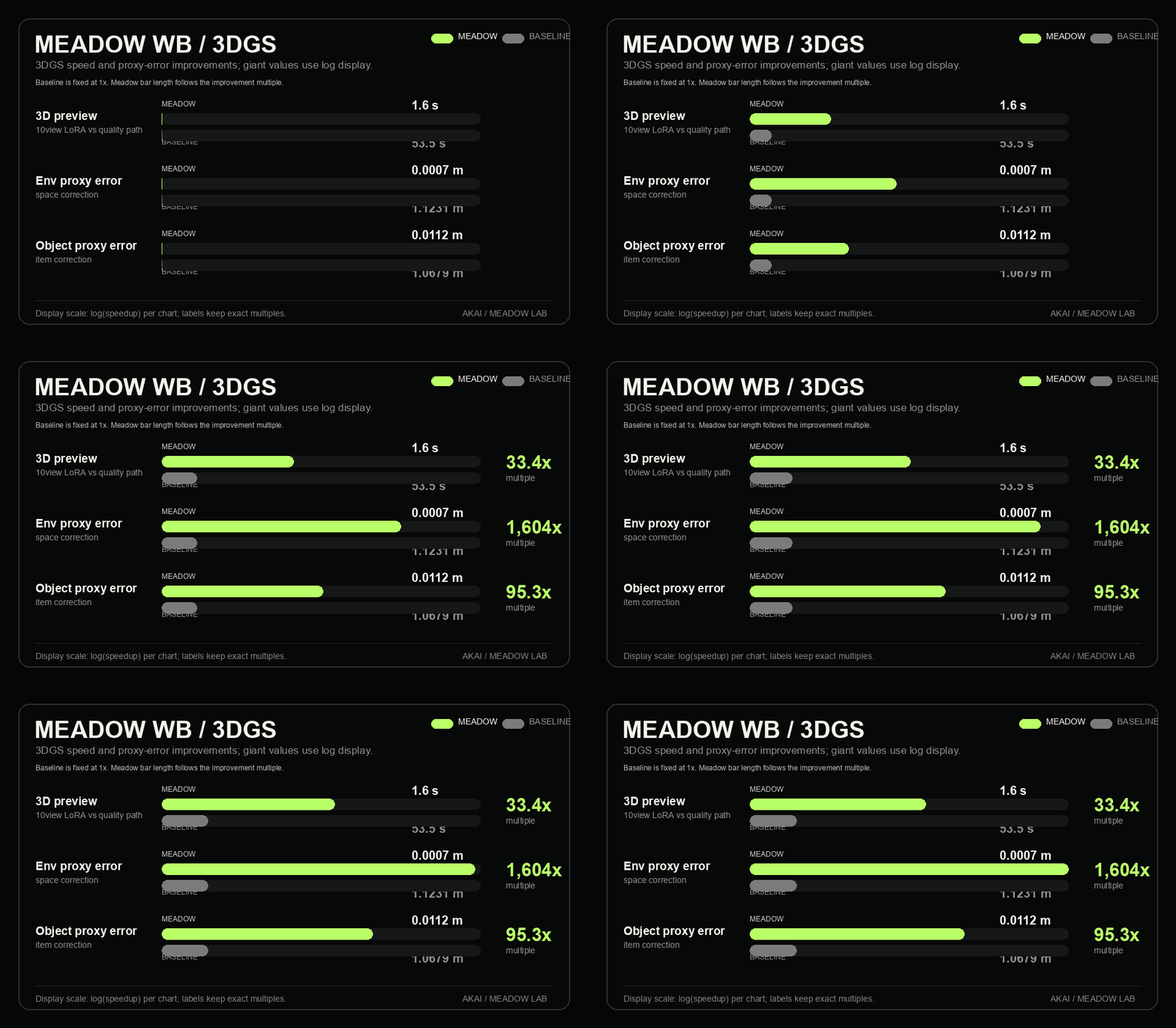
  • Measured Meadow Cube 10view + LoRA at 1.6s on M1 Max and SAM 3D Object at 25s to 53.5s, depending on path.
  • Measured WB 3DGS planner proxy error reduction across environment, object, and imagined path state.
  • Added MLX image/video inpainting ports as repair tools for missing pixels, removed objects, and world-state cleanup.
  • Relevance to Hermes: future agents need physical context, object identity, and motion memory.
Meadow WB 3DGS environment recording
3DGS environmentSpatial environment capture as navigable world-state evidence.
Meadow WB 3DGS object recording
3DGS objectObject reconstruction for item identity, rotation, and inspection.
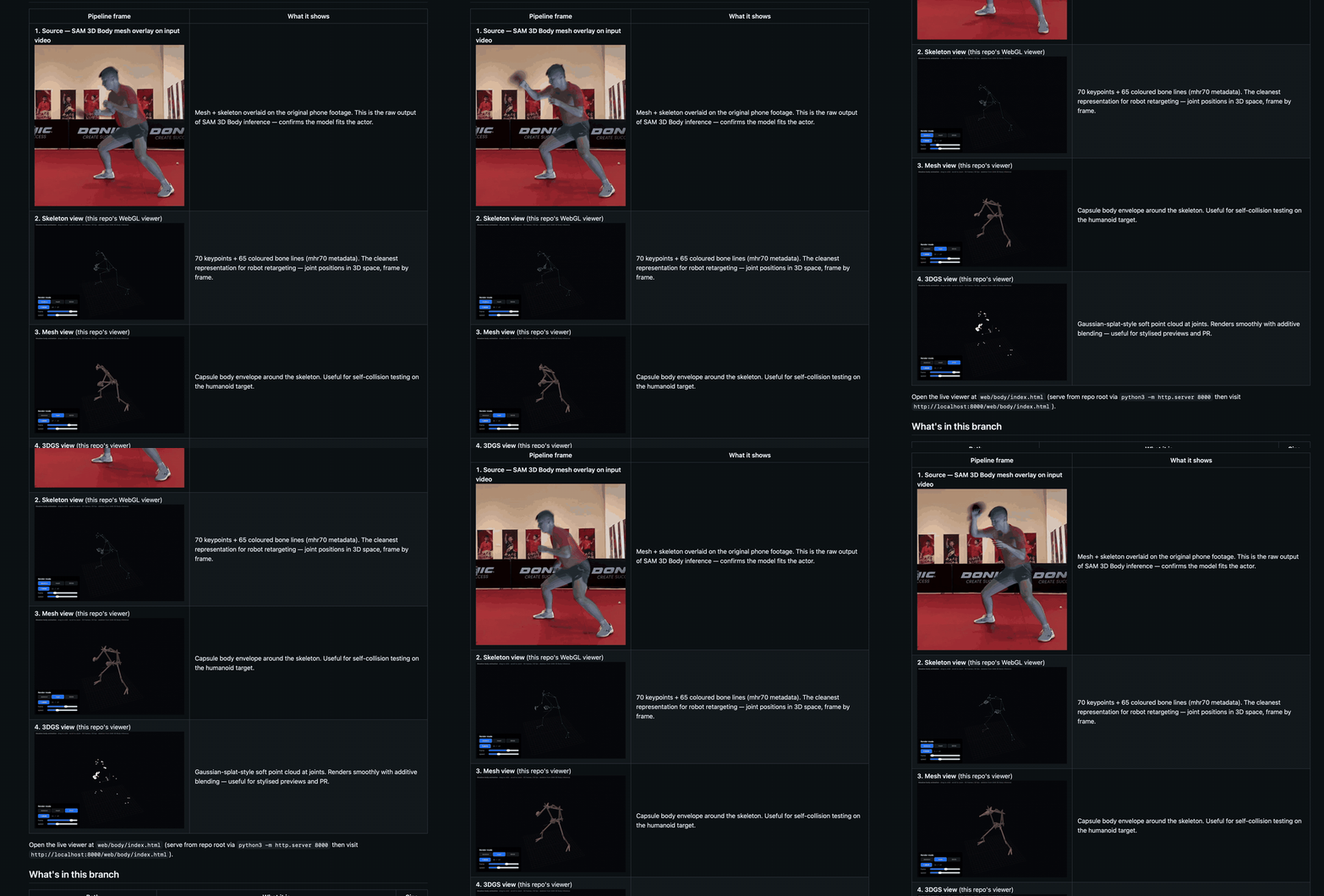
Meadow WB human motion capture recording
Human mocapVideo-to-body motion state for embodied agent memory.
Meadow WB 3DGS benchmark chart
WB benchmark3DGS speed and proxy-error reductions scaled by their measured multiples.
Meadow WB ProPainter MLX inpainting video demo
Video repairMLX ProPainter inpainting for temporal visual repair.
Meadow WB LaMa MLX inpainting triptych
Image repairMLX LaMa inpainting for missing pixels and object removal.

Meadow WM Framework

World Model / Robot Control / Action Scoring

Built and evaluated a compact physics-grounded world-model stack for real-time action selection: causal tree teacher policies, compact reaction students, and neural scorers/cost maps.
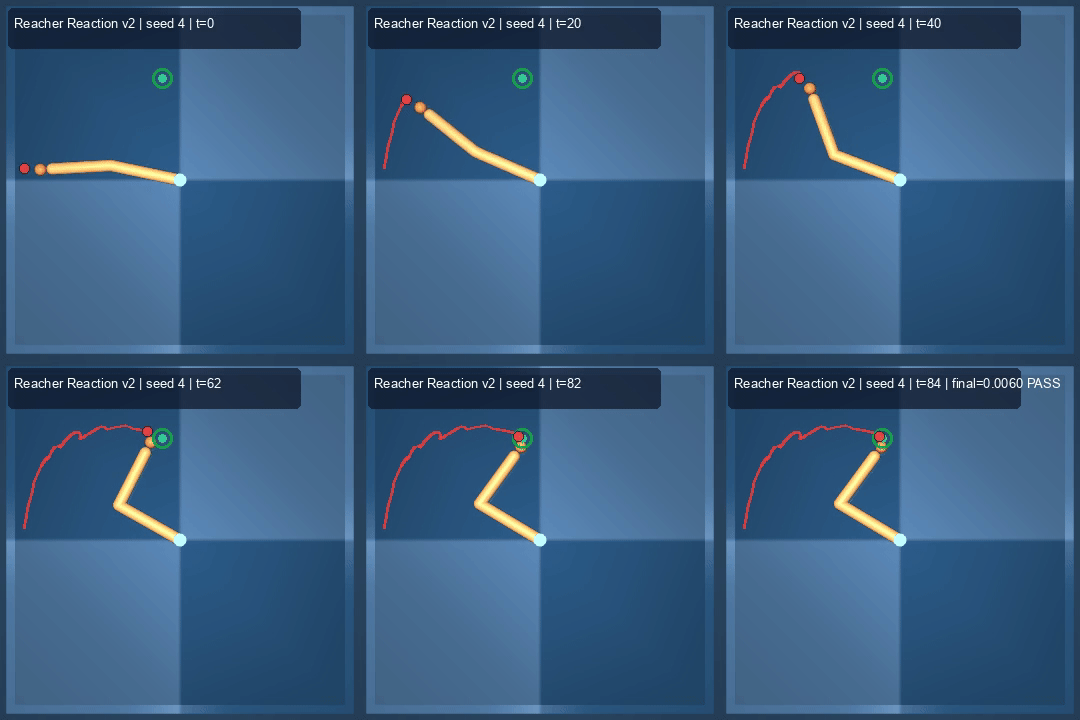
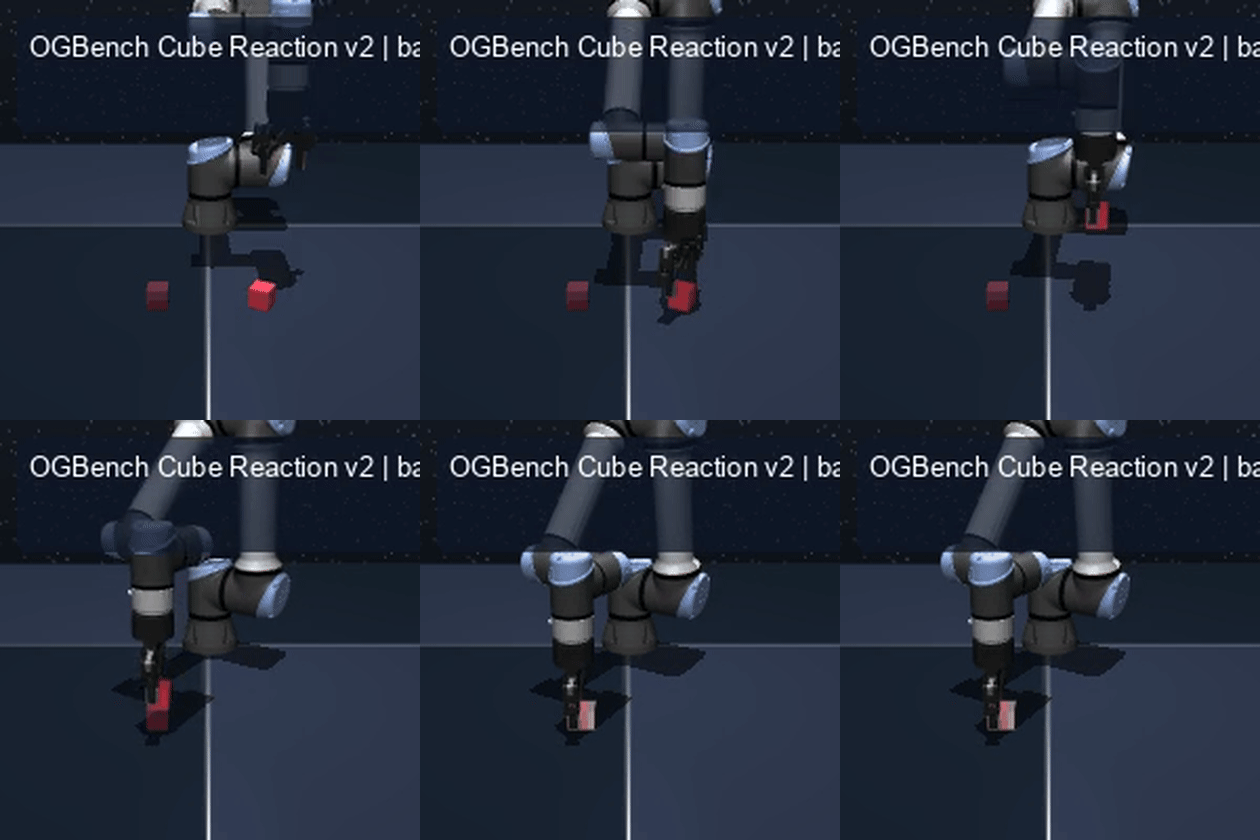
  • Covered object manipulation, arm reaching, and cube pick-and-place tasks across PushT, Reacher, and OGBench-style probes.
  • Kept the reaction loop small enough for interactive control: the public report lists 0.095-0.122 ms Core ML reaction inference on Apple Silicon.
  • Used benchmark evidence carefully: the report lists PushT, Reacher, and OGBench Cube task-family successes while separating task-contract limits from broader robot-learning claims.
  • Relevance to Hermes: agents need cheap action scoring, physical state memory, and recoverable action effects, not only language planning.
Meadow WM Reacher robotic arm control experiment
Reacher armRobotic arm control as a fast action-effect probe.
Meadow WM OGBench cube pick-and-place experiment
Cube pick-placeObject grasp and placement behavior under compact scoring.
Meadow WM PushT object manipulation experiment
PushT objectContact-rich object movement for testing action recovery.

Meadow Balancer

Biped / MLX Components / 3D State

Explored biped balancing where all components move toward MLX-backed local inference and a 3D state inventory.
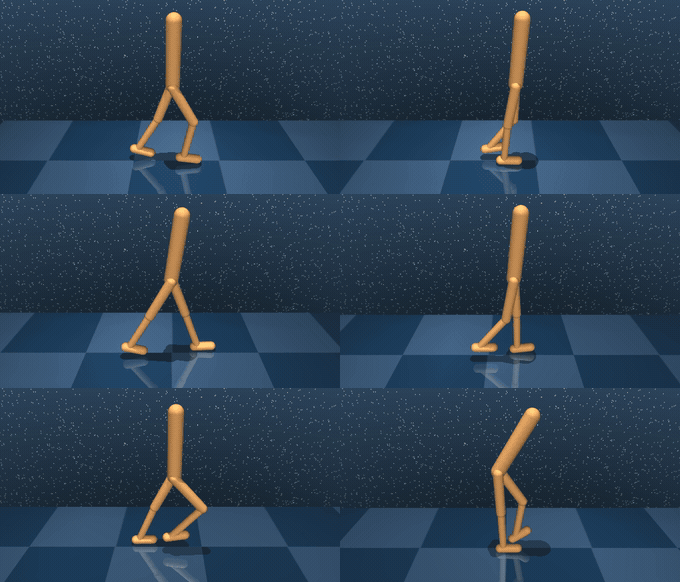
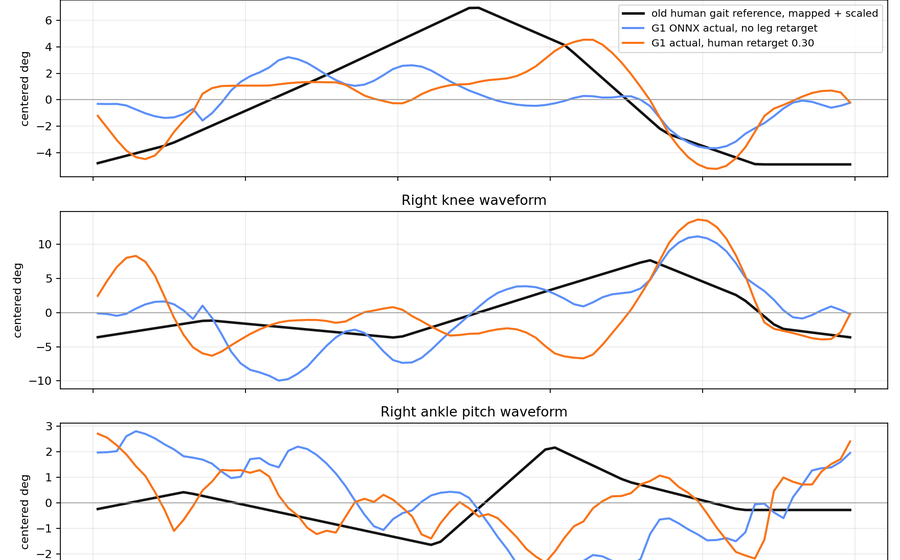
  • Framed balance as a real-time control problem with visible state, actuator constraints, and correction timing.
  • Connected 3D spatial components to MLX local runtime assumptions for future embodied loops.
  • Relevance to Hermes: embodied agents require grounded state and fast correction, not only plan text.
Meadow Balancer walking experiment
BipedBalance and gait as timing-sensitive control.
Meadow Balancer gait comparison chart
Gait chartProject-specific gait and joint-state evidence.

Meadow Motion Transfer

Motion / Action Transfer

Explored how motion transfers across controlled worlds, where the useful unit is not a prompt but an action pattern that survives environment changes.
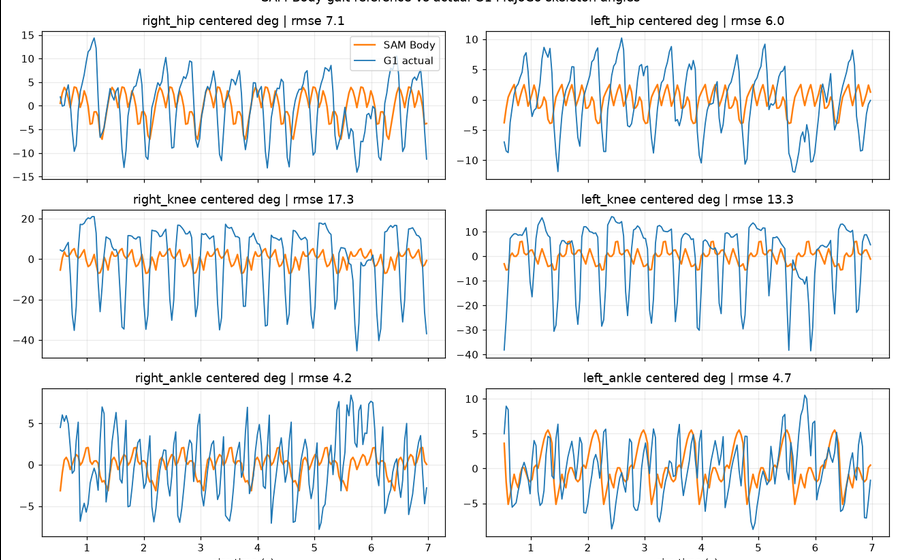
  • Used angle, contact, and endpoint-error artifacts to inspect candidate motion transfer runs.
  • Connected motion transfer back to world state and embodied memory rather than treating it as isolated animation.
  • Relevance to Hermes: agents should reuse skills across tools and contexts, not relearn every interface from scratch.
Meadow Motion Transfer angle comparison chart
Motion traceCandidate full-body angle evidence from the motion-transfer run.

Meadow Game

Interactive Environments

Used games and compact environments as controlled worlds for action choice, timing failure, reward recovery, and visual feedback loops.

  • Kept the focus on action timing and measurable behavior, not only attractive demos.
  • Used game probes to expose whether an agent can recover from wrong moves and delayed decisions.
  • Relevance to Hermes: game-like probes are compact tests for tool use, planning, and embodiment.
Meadow Game parkour comparison
ParkourReal-time movement makes runtime errors visible.
Meadow Game MountainCar momentum control
MomentumCounterintuitive action policy in a compact world.

Meadow Mind Latent Predictor

Diffusion LLM / Latent Action Runtime

Converted a local 7B diffusion LLM from answer generation into a fixed-latency latent decision layer: state, policy, decision pass, and action.
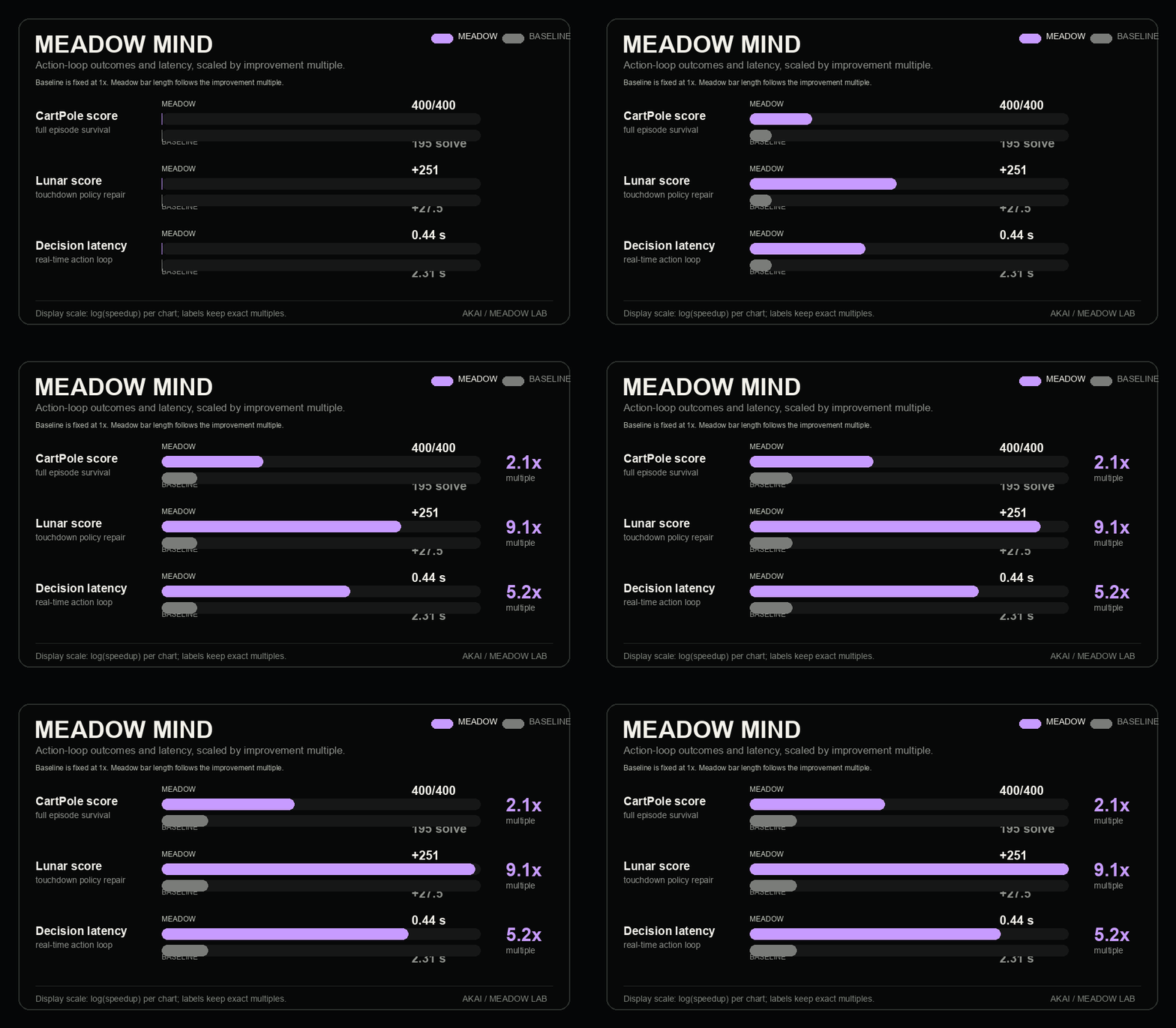
  • Built Perceiver / Rule / Mind / Actuator layers plus sanity-gate checks before deployment.
  • Zero-training Gymnasium results include CartPole-v1 400/400, LunarLander-v3 +251, FrozenLake shortest path, and MountainCar flag in 103 steps.
  • Added Meadow Memory: binary event log, SQLite projection, and semantic recall for meaningful state deltas.
  • Relevance to Hermes: concrete action-loop prototype for agents that grow from interaction instead of only chatting.
Meadow Mind CartPole balance demo
BalanceCartPole-v1, 400/400.
Meadow Mind LunarLander demo
LandingLunarLander-v3, +251.
Meadow Mind benchmark chart
Action chartDecision-loop outcomes and latency shown as our colored bar over gray baseline.

Thinking Machines

Visual Attention / Latent Reaction

Designed an active AI presence runtime where camera, screen, voice, chat, recent events, micro-turn policy, background workers, and selective memory share one frame.
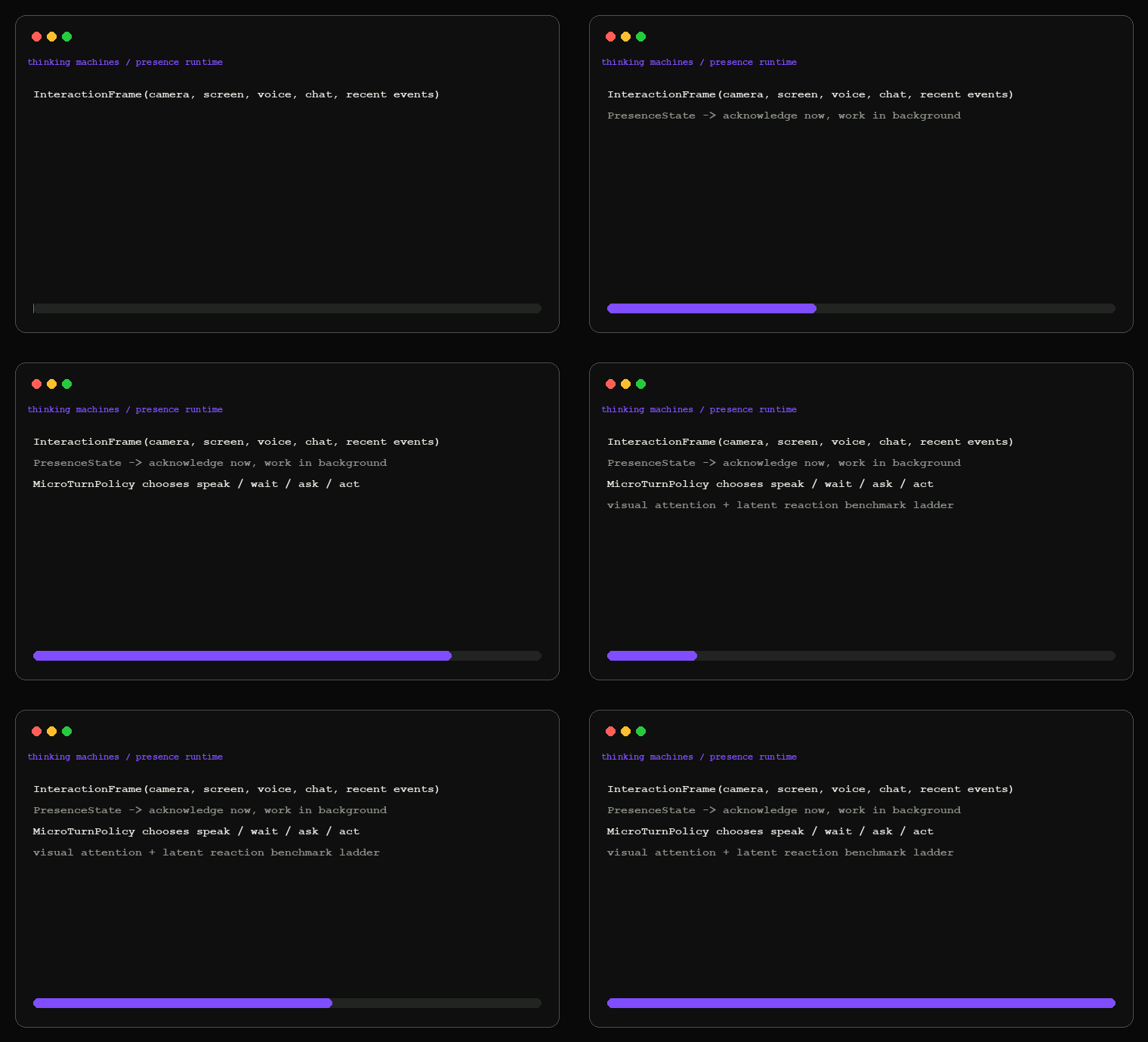
  • Defined InteractionFrame, PresenceState, MicroTurnDecision, and MicroTurnPolicy contracts.
  • Separated foreground presence from background VLM/LLM/tool execution so the user still feels acknowledged while slow work runs.
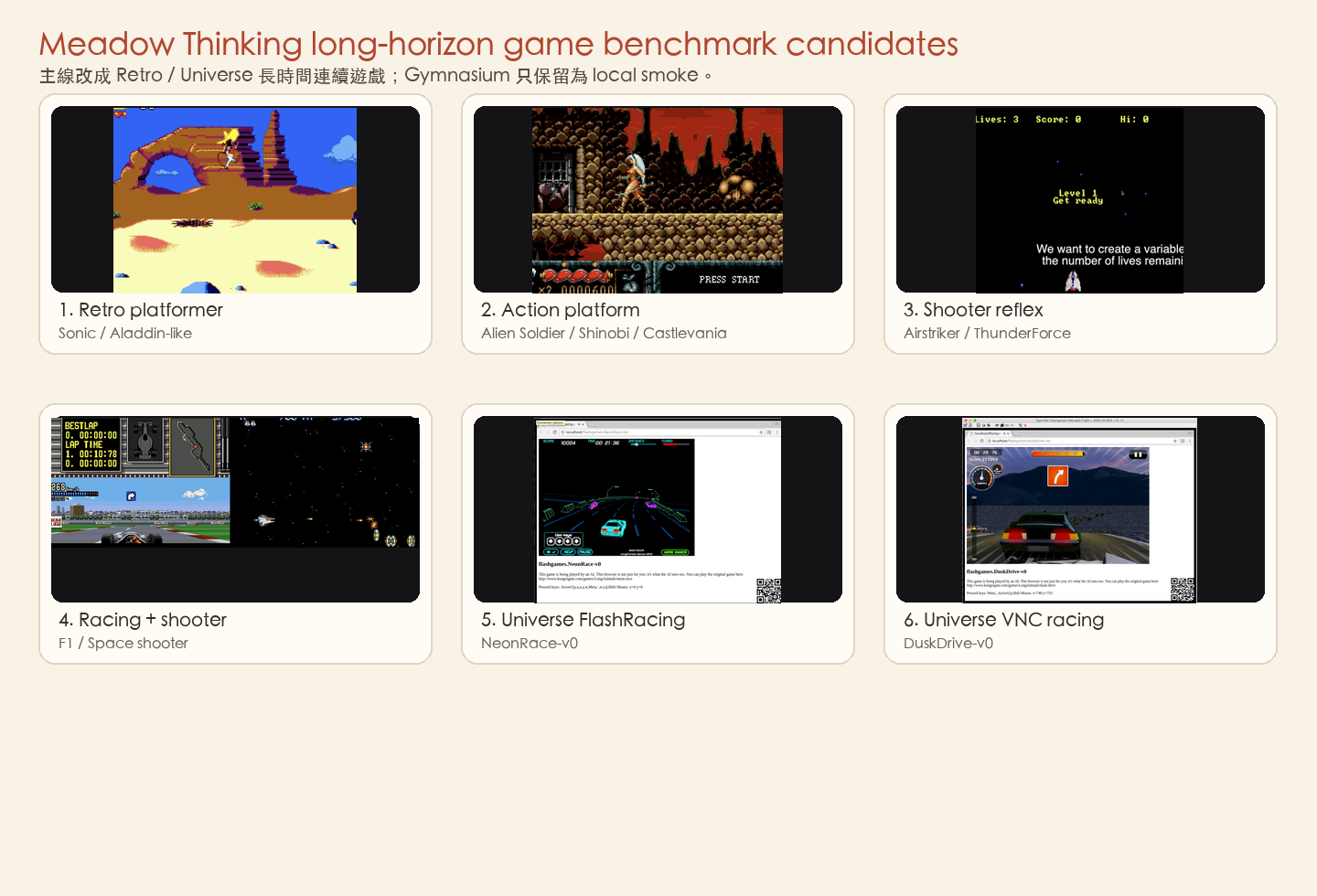
  • Built a benchmark ladder for visual attention, latent reaction, replay repair, and embodied/game probes.
  • Relevance to Hermes: an agent should feel co-present, interruptible, and useful across terminal, desktop, and app surfaces.
Thinking Machines presence runtime animation
Presence runtimeInteraction frame, micro-turn policy, and background work separation.
Thinking Machines benchmark candidate ladder
Benchmark ladderVisual attention and latent reaction evaluation direction.
HMI

Shader Music Lab

WebGL / Audio-Reactive HMI

Built audio-reactive shader instruments where rhythm, synthesis parameters, and visual state influence each other instead of running as separate decoration layers.
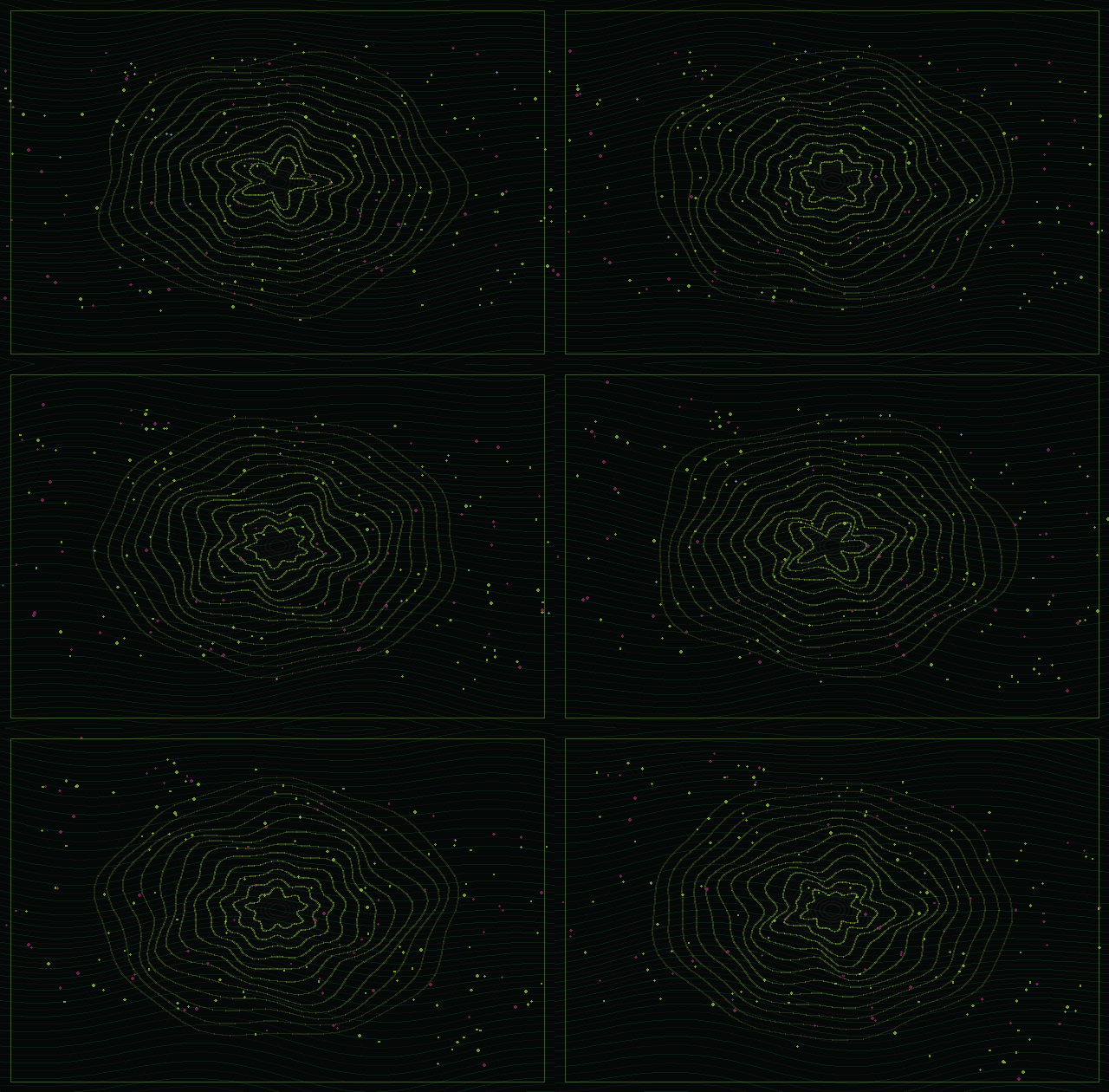
  • Connected beat, energy, tempo, and shader parameters so the interface behaves like a visual instrument rather than a passive animation.
  • Explored 21 generative audio-visual systems as HMI probes: FOCUS, sequencing, realtime control, and understandable state feedback.
  • Relevance to Hermes: agent products need feedback surfaces that make hidden state legible and controllable.
Shader Music Lab central audio-reactive shader animation
Shader coreBeat, shader, and visual telemetry joined into one feedback loop.
Second Shader Music Lab audio-reactive visual interface recording
Second labAlternate shader and music interface used to test rhythmic control variation.

Meadow AD

Creative AI / Interface Direction

Explored AI-assisted advertising and creative direction as a human-machine interface problem: the system must expose taste, options, constraints, and iteration state.
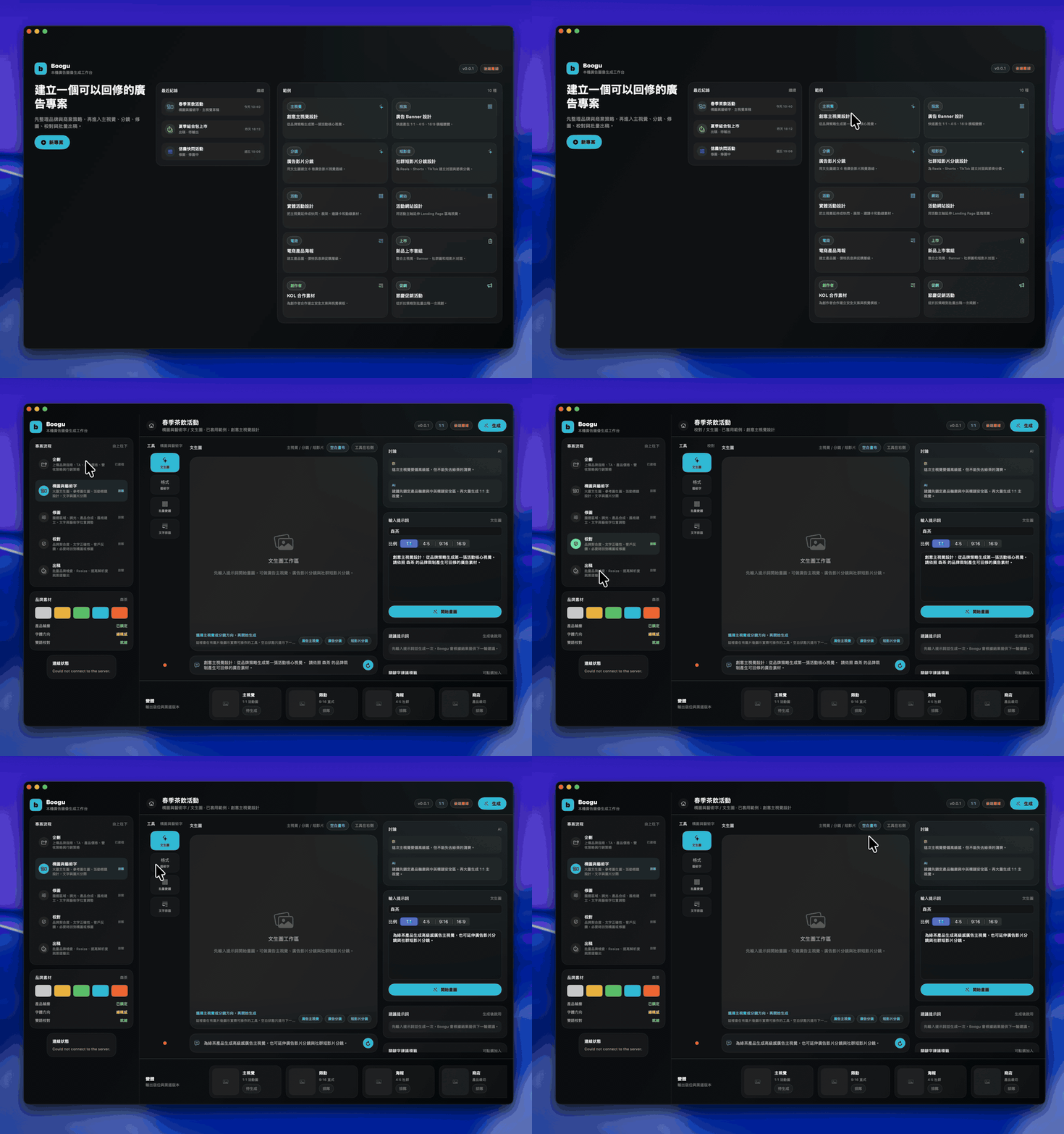
  • Connected visual generation, copy direction, and interaction flow into a usable creative surface.
  • Focused on psychological feel: control, surprise, comparison, and the confidence to select.
  • Relevance to Hermes: creative agents need interfaces for taste and iteration, not only final image output.
Meadow AD creative operator animation
Creative operatorBrief, audience, visual territories, copy, and selection state in one loop.

2D & 3D Human-Machine Interface

WebGL / Three.js / HMI

Explored 2D and 3D human-machine interfaces for generative audio-visual systems, including rhythm-driven visuals, WebGL/Three.js scenes, and a prior brainwave music-selection experiment.

  • Built 21-node generative HMI labs where users can scan, focus, orbit, and control complex system states.
  • Kept FOCUS UI and 3D HMI captures fixed-camera so the visual system itself moves, not the screenshot crop.
  • Designed visual and audio feedback loops that create agency, predictability, and control rather than passive spectacle.
  • Relevance to Hermes: strong intuition for what agentic AI should feel like across terminal, web, app, and ambient surfaces.
Recorded 3D human-machine interface dashboard
3D HMIFOCUS interaction for scanning 3D generative systems from the latest recording.
Recorded 2D Focus UI dashboard
Focus UI2D panel comparison and scanning from the latest recording.

Skill Map

Grouped around the 2026 agent stack: inference, orchestration, memory, evaluation, world state, and interface.

Inference Porting

CUDA/PyTorch-to-MLX ports, tensor layout, state_dict surgery, custom op replacement, Metal paths, numerical parity, and profiling.

Local Inference Runtime

MLX, vLLM serve, KV/prefix cache policy, chunked prefill, quantization, warm lifecycle, batching, streaming generation, and local routing.

Agent Orchestration

Python, TypeScript/Node, Go, OpenAI-compatible APIs, task lifecycle, review gates, foreground/background agents, and tool execution surfaces.

Memory, RAG, Evals

Task contracts, verifier loops, accepted/rejected memory, semantic recall, route tests, safety gates, replayable traces, and long-horizon usefulness checks.

World Model Loop

Visual state, 3DGS world building, pose and motion capture, afterstate candidates, diffusion remask repair, world-model scoring, and embodied control.

Human + Agent Interface

CLI, Desktop, Browser, VSMONSTER, FOCUS UI, WebGL/Three.js, shader controls, interruption, review, recovery, and bio-signal interaction prototypes.

What I Would Work On

Concrete contribution areas for Hermes Agent.

Make Hermes feel present, fast, and controllable.

I would focus on the surfaces where product and runtime meet: inspectable memory, interruption and correction UX, developer-facing APIs for local workflows, route selection for expensive models, and evaluation harnesses that measure long-horizon usefulness instead of only model output quality.

Source alignment: reviewed the official Hermes Agent page, Nous Careers page, and current public role pages for Full Stack Engineer, Forward Deployed Engineer, UI/UX Designer, Machine Learning Engineer, and Research Scientist on 2026-06-24. Links: Hermes Agent, Nous Careers, Full Stack Engineer, Forward Deployed Engineer, UI/UX Designer, Machine Learning Engineer, Research Scientist.